Korean Seafood Suppliers
Korean seafood exports are led by laver (gim, $850M in 2024 — #1 in agri-food exports), abalone, oysters, blue crab, and pollock. Prioritize suppliers with HACCP, Korea Fishery Products Sanitation Act, and US NOAA Seafood Inspection certifications. Reefer containers (frozen/refrigerated) are required for most products, with cold-chain lot tracking critical. Korean laver dominates US/Japan retail markets via Costco and convenience store channels.
Showing 20 verified Korean Seafood suppliers.
Pohang Fishery Cooperative
경상북도 포항시 북구 청하면 해안로 2451
Pohang Fishery Cooperative specializes in seafood processing and food ingredient supply. We mainly handle various food products, including ice for fishery use.
Jeonghwa
경기도 남양주시
Jeonghwa is a South Korean manufacturer and supplier specializing in a wide range of seafood and marine products. The company serves the domestic market and is actively seeking to expand its global presence. Jeonghwa is committed to providing high-quality seafood for various B2B needs. We welcome inquiries for both domestic B2B transactions and international export partnerships.
Duri
경기도 동두천시
Duri is a domestic manufacturer and supplier specializing in the seafood sector within South Korea. We are dedicated to sourcing, processing, and distributing a diverse range of high-quality marine products and seafood. Our expertise lies in providing fresh and reliable seafood options to various markets. Duri is actively seeking B2B partnerships and welcomes export inquiries from international buyers looking for a dependable supplier of Korean seafood products.
Wonbok Trout
강원특별자치도 평창군 미탄면 송어길 54
Wonbok Trout manufactures and supplies various trout-related seafood products, including semi-dried trout, trout roe, trout sashimi, and trout fish sauce.
Geondaejang Seafood
Geondaejang Seafood is a domestic manufacturer and supplier specializing in marine products and various types of seafood. As a key player in the South Korean seafood sector, the company focuses on providing high-quality fishery products. Geondaejang Seafood welcomes B2B transactions and is actively seeking export opportunities to expand its global reach.
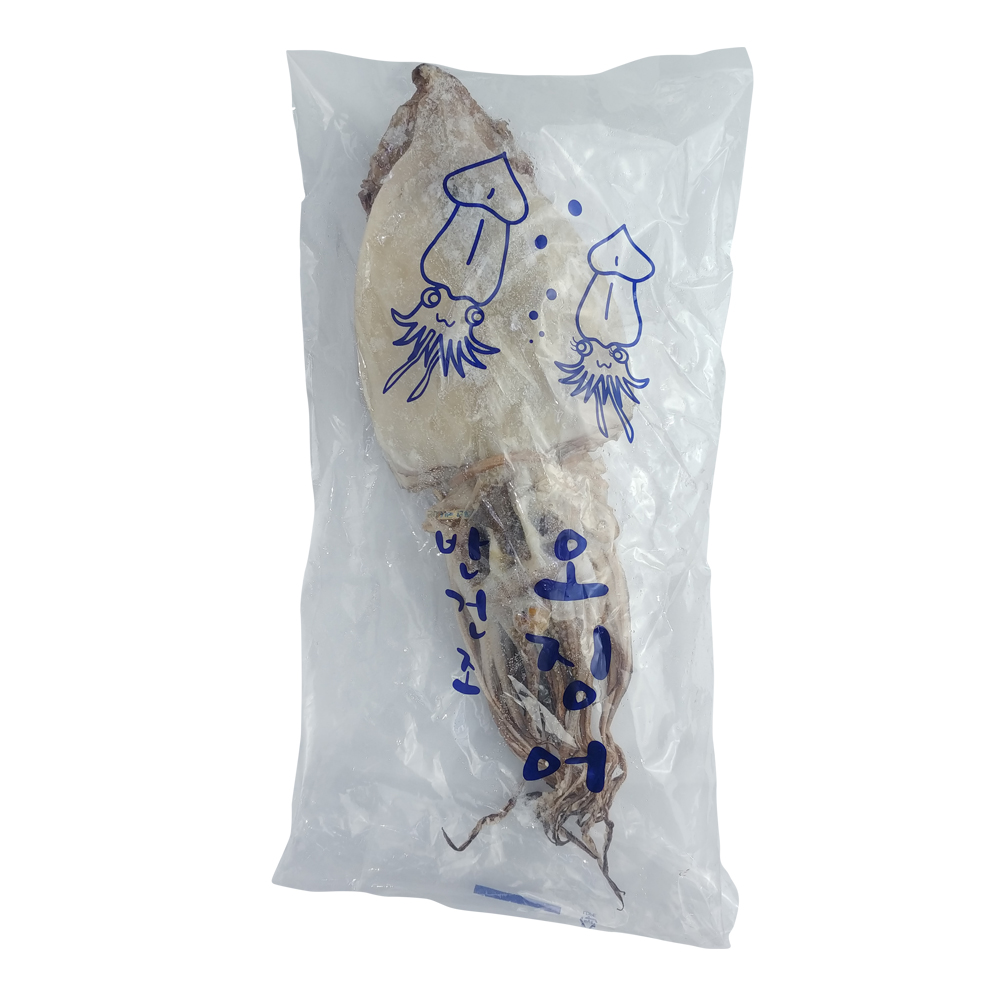
Myeongseong Distribution
부산광역시 동래구 시실로107번길 31, 가동 (명장동)
Myeongseong Distribution, located in Changwon-si, Gyeongsangnam-do, is an HACCP-certified specialized supplier of processed foods and ingredients. We manufacture and supply various dried seafood and processed squid products, including DHA Jjimi and baked squid.
Hanyang Foods
서울특별시 구로구
Hanyang Foods is a South Korean manufacturer and supplier specializing in a wide range of marine products and seafood. The company is dedicated to providing high-quality aquatic products to its clients. Hanyang Foods welcomes B2B partnerships and export inquiries from international buyers seeking reliable sourcing for various seafood items.
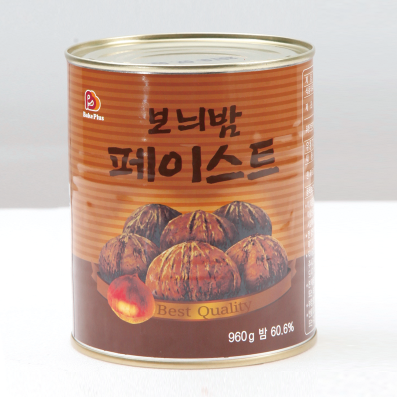
Eunha Foodwell Co., Ltd.
경상남도 김해시
Eunha Foodwell Co., Ltd., located in Gimhae-si, Gyeongsangnam-do, is an HACCP-certified company that manufactures and supplies processed foods, bakery, and confectionery ingredients. We offer a variety of seasonings and cooked food products.
Yaki Factory
Yaki Factory is a South Korean manufacturer and supplier specializing in the seafood industry. The company focuses on processing and distributing a diverse range of marine products and seafood. Committed to quality and reliability, Yaki Factory serves as a dedicated partner for B2B transactions and actively welcomes export inquiries from international buyers seeking premium Korean seafood.
Matgun
Matgun is a South Korean manufacturer and supplier specializing in the seafood sector. The company focuses on a wide range of marine products and fishery items. With a commitment to quality and reliability, Matgun serves as a dedicated partner for businesses seeking premium seafood ingredients and products. The company actively welcomes B2B transactions and export inquiries from international partners.
Bada Haecho Co., Ltd.
전라남도 강진군 마량면 까막섬로 200
주식회사 바다해초는 식품 및 음료 제조 전문 기업으로, HACCP 인증 기반의 안전한 먹거리를 생산합니다. (Korean food manufacturer)
Pyeongmi Food
Pyeongmi Food is a South Korean manufacturer and supplier specializing in the seafood sector. The company offers a diverse range of high-quality marine products and seafood, catering to various business needs. With a strong focus on domestic supply, Pyeongmi Food is also actively expanding its global reach. The company is dedicated to fostering robust B2B partnerships and welcomes all inquiries regarding wholesale transactions and international export opportunities.
Yangwoojin Kodari
Yangwoojin Kodari is a domestic manufacturer and supplier specializing in the seafood sector in South Korea. The company focuses on processing and distributing a variety of marine and aquatic products, with a particular emphasis on 'kodari' (semi-dried pollock). Committed to quality and reliability, Yangwoojin Kodari serves the B2B market and actively welcomes inquiries for both domestic and international export partnerships.
Geum-a Dried Seafood
Geum-a Dried Seafood is a domestic manufacturer and supplier specializing in the seafood sector. The company focuses on a wide range of marine and fishery products, including various types of seafood. Geum-a Dried Seafood is committed to providing high-quality products for B2B transactions and welcomes export inquiries from international partners.
Hanji Sesang
Hanji Sesang is a South Korean manufacturer and supplier specializing in fishery and marine products. The company focuses on a range of seafood items, serving the domestic market. Hanji Sesang is actively engaged in B2B transactions and welcomes inquiries for export partnerships, aiming to provide high-quality seafood to international buyers.
Hana Food
전북특별자치도 완주군
Hana Food is a domestic manufacturer and supplier specializing in the seafood sector. The company offers a diverse range of marine products, including various types of seafood. With a focus on quality and reliability, Hana Food is committed to serving both domestic and international markets. The company actively welcomes B2B partnerships and export inquiries from businesses seeking high-quality Korean seafood products.
Marado Food
Marado Food is a South Korean manufacturer and supplier specializing in a wide range of seafood products. The company focuses on various aquatic products, including fresh and processed seafood, catering to both domestic and international markets. Marado Food is committed to providing high-quality seafood and welcomes B2B transactions and export inquiries from partners worldwide.
Costco
Costco is a domestic manufacturer and supplier specializing in the seafood sector in South Korea. We offer a comprehensive range of marine products, including various types of seafood. As a dedicated B2B partner, we welcome inquiries for both domestic business-to-business transactions and international export opportunities, providing high-quality seafood products to our clients.
Jjokbitnuri
Jjokbitnuri is a domestic manufacturer and supplier specializing in the seafood sector in South Korea. The company focuses on a wide range of marine products and seafood. We are committed to providing high-quality aquatic products to our partners. Jjokbitnuri welcomes B2B transactions and export inquiries from international partners seeking reliable seafood sourcing.
Bibisusan Seafood
Bibisusan Seafood is a South Korean manufacturer and supplier specializing in a wide range of marine products. The company focuses on processing and distributing various types of seafood, catering to both domestic and international markets. Bibisusan Seafood is committed to providing high-quality marine products and welcomes B2B partnerships and export inquiries from global buyers.
Sourcing Guide
Seafood sourcing centers on cold-chain design and certification checks. Dried products such as laver can ship at ambient temperature, but frozen and refrigerated items like abalone, oysters, and blue crab require a reefer container — and reefer rental runs 2-3× a standard container, which must be built into pricing. When vetting a supplier, confirm HACCP and compliance with the Fishery Products Sanitation Act; for US entry, secure NOAA Seafood Inspection or FDA registration, and for the EU, the approved facility number. Because catch and processing timing drives seafood quality, lot numbers and processing dates must be traceable, and you should request heavy-metal and antibiotic residue test reports. Laver products differ in price and market by grade (seasoned, traditional) and seasoning. MOQ varies widely by item, and cold-chain products typically trade by the container. Run a small first order to verify thaw condition and texture on arrival before scaling volume.
FAQ
What is the minimum order quantity for seafood?
It varies widely by item. Ambient dried products such as laver trade relatively flexibly, but frozen and refrigerated seafood often trades by the reefer container, making one container's volume the effective minimum unit.
Which certifications should a seafood export supplier hold?
HACCP and compliance with the Fishery Products Sanitation Act are the baseline. For US entry, NOAA Seafood Inspection or FDA registration is needed; for the EU, an approved facility number. Request heavy-metal and antibiotic residue test reports as well.
How is the cold chain managed for frozen seafood?
Frozen and refrigerated seafood ships in a reefer container, with rental running 2-3× a standard container. Lot numbers and processing dates must be traceable, and a small first order to verify thaw condition on arrival is prudent.