Korean Health Foods Suppliers
Korean health functional foods must qualify under one of MFDS's 33 recognized functional ingredient categories. Red ginseng, probiotics, collagen, and omega-3 lead exports. For US entry, NDI (New Dietary Ingredient) notification is required; for EU, EFSA Novel Food approval. Korea is the world's largest red ginseng exporter (~$200M annually). MOQ varies by brand spec, typically 500-5,000 boxes.
Showing 20 verified Korean Health Foods suppliers.
Hwanggeum-ine
Hwanggeum-ine is a South Korean manufacturer and supplier specializing in red ginseng and ginseng products. The company offers a range of products including red ginseng, ginseng, and various health functional foods. Hwanggeum-ine is committed to providing high-quality health products and welcomes B2B partnerships and export inquiries from international buyers.
Geumsan Ginseng Wholesale Center
Geumsan Ginseng Wholesale Center is a South Korean manufacturer and supplier specializing in ginseng and red ginseng products. Their product range includes fresh ginseng, processed red ginseng, and various health functional foods derived from ginseng. The company is dedicated to providing high-quality Korean ginseng products and welcomes B2B transactions and export inquiries from international partners.
Doctor Vital
Doctor Vital is a South Korean manufacturer and supplier specializing in the health food sector. The company focuses on a range of products including general health foods, functional health foods, and other functional ingredients or products. Doctor Vital is committed to providing high-quality health solutions and welcomes B2B partnerships and export inquiries from international buyers.
Myomidam
Myomidam is a South Korean manufacturer and supplier specializing in red ginseng and ginseng products. The company's product portfolio includes various red ginseng, ginseng, and health functional food items. Myomidam is dedicated to providing high-quality products and welcomes B2B partnerships and export inquiries from international buyers.
Ildong Pharmaceutical
Ildong Pharmaceutical is a prominent South Korean manufacturer and supplier specializing in red ginseng and ginseng products. The company's portfolio includes a range of high-quality red ginseng, ginseng, and various health functional foods. With a strong focus on the domestic market, Ildong Pharmaceutical is actively seeking to expand its global presence. We welcome B2B partnerships and export inquiries from international buyers interested in our premium Korean health products.
Samjiwon
Samjiwon is a South Korean manufacturer and supplier specializing in red ginseng and ginseng products. The company focuses on producing and distributing a range of items including red ginseng, ginseng, and various health functional foods. Samjiwon welcomes B2B transactions and export inquiries from international partners.
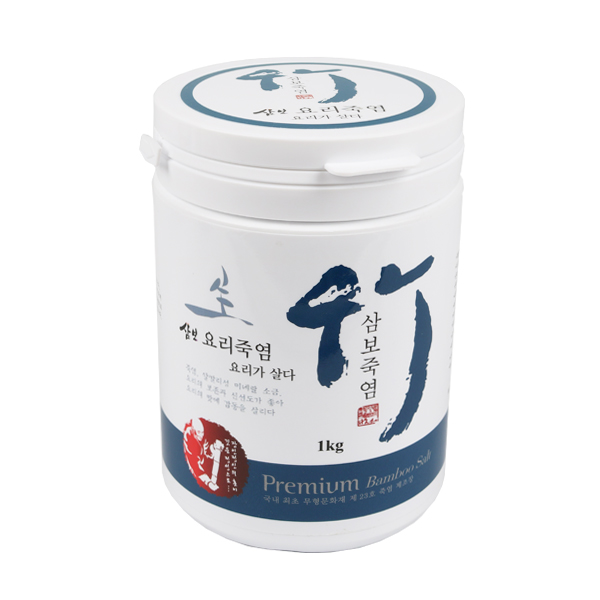
Sambo Bamboo Salt Co., Ltd.
전북특별자치도 고창군 무장면 학천로 284-16 (무장면)
무형문화재 죽염제조장, 자죽염, 미용죽염, 요리죽염 등 장인정신 혼으로 제조되는 삼보죽염 본사 쇼핑몰. (Korean food manufacturer)
Eco Therapy
Eco Therapy is a South Korean manufacturer and supplier specializing in the health food sector. The company focuses on a range of products including general health foods, functional health foods, and various functional ingredients. Eco Therapy is dedicated to B2B transactions and welcomes inquiries for both domestic and international export partnerships.
Geongangi Boida
Geongangi Boida is a South Korean manufacturer and supplier specializing in the health food sector. The company focuses on a diverse range of products, including general health foods, functional health foods, and various functional ingredients. Geongangi Boida is actively seeking B2B partnerships and welcomes export inquiries from international buyers interested in high-quality Korean health products.
Jeongwonjang
Jeongwonjang is a South Korean manufacturer and supplier specializing in red ginseng and ginseng products. The company offers a range of products including red ginseng, ginseng, and various health functional foods. Jeongwonjang is actively seeking B2B partnerships and welcomes export inquiries from international buyers.
NZ Origin
NZ Origin is a South Korean manufacturer and supplier specializing in the health food sector. The company focuses on a range of products including general health foods, health functional foods, and various functional ingredients. With a commitment to quality and innovation, NZ Origin serves both domestic and international markets. They actively welcome B2B partnerships and export inquiries, aiming to expand their global presence and provide high-quality health solutions to businesses worldwide.
HLB Pharmaceutical
HLB Pharmaceutical is a South Korean manufacturer and supplier specializing in the health food sector. The company focuses on a range of products including general health foods, functional health foods, and various functional ingredients. HLB Pharmaceutical is actively seeking B2B partnerships and welcomes export inquiries from international buyers.
GL Life
GL Life is a South Korean manufacturer and supplier specializing in the health food sector. The company focuses on a range of products including general health foods, functional health foods, and various functional ingredients. GL Life is dedicated to serving B2B clients and welcomes inquiries for both domestic and international export opportunities.
Gaeseong Sangin
경기도 양주시
Gaeseong Sangin is a South Korean manufacturer and supplier specializing in red ginseng and ginseng products. The company offers a diverse range of products, including red ginseng, ginseng, and various health functional foods. Committed to quality and reliability, Gaeseong Sangin focuses on the B2B market. The company actively welcomes inquiries for B2B transactions and export partnerships, aiming to expand its presence in the global health food sector.
Natural Life Alive
Natural Life Alive is a South Korean manufacturer and supplier specializing in the health food sector. The company focuses on a range of products including general health foods, functional health foods, and various functional ingredients. Natural Life Alive is dedicated to serving the B2B market and welcomes inquiries for both domestic and international export partnerships.
Daewon Healthcare
충청남도 예산군
Daewon Healthcare is a South Korean manufacturer and supplier specializing in the health food sector. The company focuses on a range of products including general health foods, functional health foods, and various functional ingredients. With a commitment to quality and expertise in the domestic market, Daewon Healthcare is actively seeking B2B partnerships and welcomes export inquiries from international buyers.
Rotbäckchen
Rotbäckchen is a domestic manufacturer and supplier specializing in the health food sector in South Korea. The company focuses on a range of products including general health foods, functional health foods, and various functional ingredients. Rotbäckchen is committed to providing high-quality products to its partners. The company actively welcomes B2B transactions and is open to export inquiries from international buyers seeking reliable health food solutions.
Jindamin
Jindamin is a South Korean manufacturer and supplier specializing in the red ginseng and ginseng sector. The company's product range primarily includes various forms of red ginseng, ginseng, and health functional foods. Jindamin is committed to providing high-quality products to the B2B market and actively seeks partnerships for both domestic distribution and international export opportunities.
Naturelive
Naturelive is a South Korean manufacturer and supplier specializing in the health food sector. The company focuses on a range of products including general health foods, health functional foods, and various functional ingredients. With a commitment to quality and expertise in the field, Naturelive serves as a reliable partner for businesses seeking high-quality health-related products. The company actively welcomes B2B transactions and export inquiries from international partners.
MyPouch
MyPouch is a domestic manufacturer and supplier specializing in the health food sector in South Korea. The company focuses on a range of products including general health foods, health functional foods, and various functional ingredients. MyPouch is dedicated to B2B transactions and actively welcomes inquiries from potential export partners seeking high-quality health-related products.
Sourcing Guide
Health functional food sourcing carries a heavier regulatory load than ordinary food. Within Korea the product must meet MFDS-recognized functional ingredient standards, and in the destination market the classification itself changes. The US treats these as dietary supplements, so a new ingredient needs NDI notification; the EU has a separate Novel Food approval process. When vetting a supplier, confirm GMP or HACCP certification, ingredient standardization markers (such as ginsenoside content), and whether certificates of analysis can be issued. Permitted efficacy wording varies widely by destination, so labels and marketing copy should be reviewed with a regulatory team to avoid customs delays. Capsule, tablet, powder, and liquid-stick formats differ in packaging cost and stability, and some formats need temperature and humidity control. MOQ is usually 500-5,000 boxes depending on brand spec, and for private label it is realistic to allow 8-12 weeks to first shipment, including ingredient sign-off and testing.
FAQ
What is the minimum order quantity for health functional foods?
Usually 500-5,000 boxes depending on brand spec. It varies with format (capsule, tablet, powder, liquid) and package configuration, and private-label products carry both a higher MOQ and a longer lead time than standard products because of ingredient sign-off and testing.
What regulatory steps apply for US and EU export?
The US classifies these as supplements, so a new ingredient needs NDI notification; the EU has a separate Novel Food approval process. Permitted efficacy wording also differs by market, so labels and marketing copy should be reviewed before ordering.
How can a supplier's quality capability be verified?
Confirm GMP or HACCP certification, ingredient standardization markers (such as ginsenoside content), and whether per-lot certificates of analysis can be issued. Clear standardization markers are what let you manage lot-to-lot efficacy variation and assure buyers of consistent quality.