Korean Snacks Suppliers
Korean snacks and confectionery are riding the K-pop and Hallyu wave for explosive global demand. Categories include biscuits, chocolate, candy, traditional sweets, and frozen treats. Multilingual allergen labeling (FDA FALCPA, EU's 14 allergens) and nutrition facts are mandatory. For US/EU entry, verify suppliers are FSMA-registered. Typical MOQ ranges 1,000-3,000 cartons. Honey butter chips and Choco Pie are top export items.
Showing 20 verified Korean Snacks suppliers.
Gajok Foods
전라남도 나주시 동수농공단지길 100-24 (운곡동, 가족식품)
가족식품은 훼미리식품은 50년 전통의 과자, 빙과류, 스낵 전문 식품기업입니다. 가족의 행복을 위해 정직하고 건강한 먹거리를 만들어갑니다. (Korean food manufacturer)
Orion
충청북도 청주시 흥덕구
Orion is a prominent South Korean manufacturer and supplier specializing in confectionery and snack products. The company offers a diverse portfolio of items, including various types of cookies, biscuits, and savory snacks. With a strong commitment to product quality and market responsiveness, Orion is well-prepared to engage in large-scale B2B transactions and actively welcomes export inquiries from international partners seeking high-quality Korean snack products.
Richiz
Richiz is a South Korean manufacturer and supplier specializing in the confectionery and snack sector. The company's product portfolio primarily includes a range of cheese-based products, various dairy items, and diverse snack offerings. Richiz is committed to serving the B2B market and actively welcomes inquiries for both domestic and international export partnerships.
Yeongyang Confectionery
충청북도 충주시
Yeongyang Confectionery is a South Korean manufacturer and supplier specializing in the confectionery and snack sector. The company produces and distributes a range of products including various types of cookies and snacks. With a focus on quality and reliability, Yeongyang Confectionery is dedicated to serving both domestic and international B2B clients. They welcome inquiries for wholesale transactions and export partnerships, aiming to expand their global presence.
Sweet Fingers
Sweet Fingers is a South Korean manufacturer and supplier specializing in confectionery and snack products. The company focuses on producing and distributing a diverse range of snacks and sweets for the domestic market. They are actively seeking B2B partnerships and welcome export inquiries from international buyers.
Taekwang Wellfood
대구광역시 달성군
Taekwang Wellfood is a South Korean manufacturer and supplier specializing in confectionery and snack products. The company focuses on producing a variety of cookies and snacks for the domestic market. Taekwang Wellfood is actively seeking B2B partnerships and welcomes export inquiries from international buyers interested in high-quality Korean snack items.
Uiryeong Chakhan Farm
Uiryeong Chakhan Farm is a South Korean manufacturer and supplier specializing in confectionery and snack products. The company primarily offers a range of cookies, crackers, and various snacks. Uiryeong Chakhan Farm is actively seeking B2B partnerships and welcomes export inquiries from international buyers.
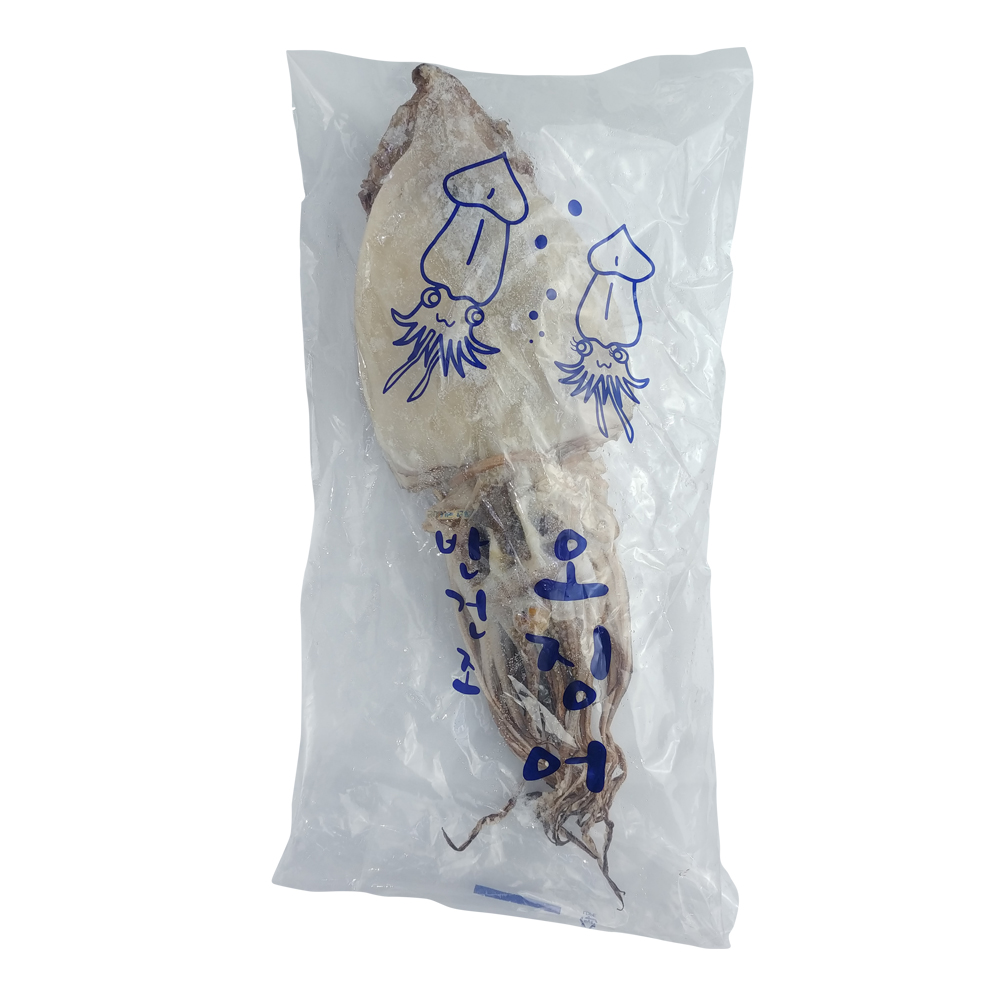
Myeongseong Distribution
부산광역시 동래구 시실로107번길 31, 가동 (명장동)
Myeongseong Distribution, located in Changwon-si, Gyeongsangnam-do, is an HACCP-certified specialized supplier of processed foods and ingredients. We manufacture and supply various dried seafood and processed squid products, including DHA Jjimi and baked squid.
Migakdang
Migakdang is a South Korean manufacturer and supplier specializing in confectionery and snack products. The company focuses on producing and distributing a variety of cookies, biscuits, and other snack items for the domestic market. Migakdang is actively seeking to expand its reach and welcomes B2B transactions and export inquiries from international partners.
Yellow Yolo
Yellow Yolo is a South Korean manufacturer and supplier specializing in confectionery and snack products. The company focuses on producing and distributing a variety of cookies, crackers, and other snack items. Yellow Yolo welcomes B2B inquiries and export opportunities from international partners.
Gyeongju Cheonnyeon Sanghoe
Gyeongju Cheonnyeon Sanghoe is a South Korean manufacturer and supplier specializing in confectionery and snack products. The company focuses on producing and distributing a variety of high-quality snacks. Gyeongju Cheonnyeon Sanghoe is actively seeking B2B partnerships and welcomes inquiries for both domestic and international export opportunities.
Frito-Lay
Frito-Lay is a domestic manufacturer and supplier specializing in the confectionery and snack sector. The company produces and distributes a wide range of snacks and confectionery products. Frito-Lay welcomes B2B transactions and is open to export inquiries, aiming to expand its market reach globally.
Wellchips
Wellchips is a South Korean manufacturer and supplier specializing in the confectionery and snack sector. The company focuses on producing and distributing a variety of snack and confectionery products. Wellchips welcomes B2B partnerships and export inquiries from international buyers seeking high-quality Korean snack items.
Beansmall
Beansmall is a South Korean manufacturer and supplier specializing in the confectionery and snack sector. The company is dedicated to producing and distributing a diverse range of high-quality snacks and sweets, catering to various market demands. With a strong focus on product quality and customer satisfaction, Beansmall actively engages in B2B transactions and welcomes inquiries from potential partners for both domestic supply and international export opportunities.
Seoyang Confectionery
Seoyang Confectionery is a domestic manufacturer and supplier specializing in the confectionery and snack sector. The company focuses on producing and distributing a variety of cookies, biscuits, and snacks. We welcome B2B partnerships and export inquiries from international buyers.

Paris Croissant Guro BC Co., Ltd.
서울특별시 구로구 디지털로31길 20 12층 1201호 (구로동, 에이스테크노타워5차)
SPC그룹 계열 베이커리 소재 공급 및 제빵 원료 기업으로 파리바게뜨 계열 베이커리에 원료를 공급한다. 빵·케이크용 원료, 충전물, 반제품을 SPC 계열 전국 매장에 공급하는 핵심 (Korean food manufacturer)
Lalasweet
경기도 군포시
Lalasweet is a South Korean manufacturer and supplier specializing in confectionery and snack products. The company focuses on producing and distributing a variety of snacks and sweets. Lalasweet is actively seeking B2B partnerships and welcomes inquiries for both domestic and international export opportunities.
Mujik Tiger
Mujik Tiger is a South Korean manufacturer and supplier specializing in confectionery and snack products. The company primarily deals with various types of cookies, biscuits, and snacks, catering to both domestic and international markets. With a focus on B2B transactions, Mujik Tiger is actively seeking partnerships and welcomes export inquiries from global buyers.
Remarkable24
Remarkable24 is a South Korean manufacturer and supplier specializing in the confectionery and snack sector. The company focuses on producing and distributing a variety of cookies, snacks, and similar products. Remarkable24 is equipped to handle B2B transactions and actively welcomes inquiries from international buyers for export opportunities.
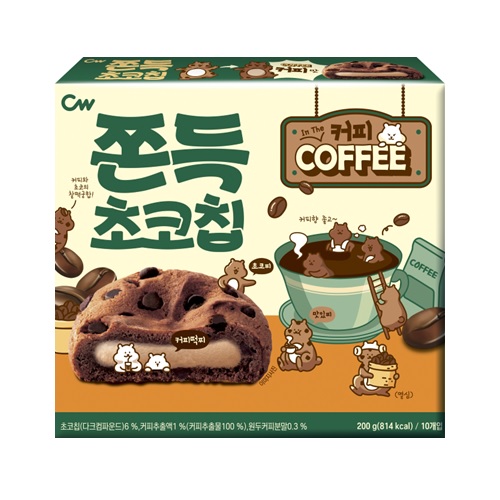
Cheongu Foods
경기도 포천시
비상장 전통 한과·쌀과자 전문 기업으로 쌀과자, 유과·약과 등 전통 한과를 생산한다. 쌀을 원료로 한 전통 과자와 현대적 감각의 쌀 가공 스낵을 국내 식품 시장에 공급한다. (Korean food manufacturer)
Sourcing Guide
The most important point in snack and confectionery sourcing is label compliance. The US follows FDA FALCPA, the EU its 14-allergen rule, and the nutrition panel format and units differ by destination. For US or EU entry, confirm the supplier has completed FSMA facility registration. Products with chocolate or fats risk deformation during summer transit, so agree on loading temperature and packaging spec, and where possible plan a reefer container or seasonally appropriate shipping. MOQ is usually 1,000-3,000 cartons; private-label SKUs run higher because of print minimums. Shelf life varies widely by product (6-9 months for snacks, longer for biscuits), so state the remaining shelf life on arrival in the contract. When mixing multiple SKUs in one order, work out carton dimensions and pallet stacking patterns in advance — container loading efficiency directly affects logistics cost. Lead time is typically 3-5 weeks FOB Busan.
FAQ
What is the minimum order quantity for snacks and confectionery?
Standard products usually trade from 1,000-3,000 cartons. Private-label SKUs carry a higher MOQ because of print minimums, and mixing several SKUs in one order often means meeting a per-item minimum for each.
Which certifications and label requirements apply for US export?
For the US, the supplier's FSMA facility registration is the baseline, and labels must follow FDA FALCPA allergen rules. The nutrition panel format and units must also meet US standards, so reviewing label artwork before ordering is prudent.
How is shipping managed for chocolate and fat-containing products?
High-temperature summer transit risks deformation and blooming, so loading temperature and packaging spec must be agreed. Plan a reefer container or cooler-season shipping, and state the remaining shelf life on arrival in the contract.