Korean Ramen Suppliers
Korean ramen (instant noodles) is among Korea's top food exports, surpassing $1.2 billion in 2024. Categories include pouch noodles, cup noodles, and dried noodles. Halal certification (e.g., Buldak Bokkeum-myeon's Indonesia MUI cert) is critical for market entry in Southeast Asia and Middle East. Typical trade volume starts at 5,000 boxes (one 20ft container). Standard shelf life is 12 months.
Showing 8 verified Korean Ramen suppliers.
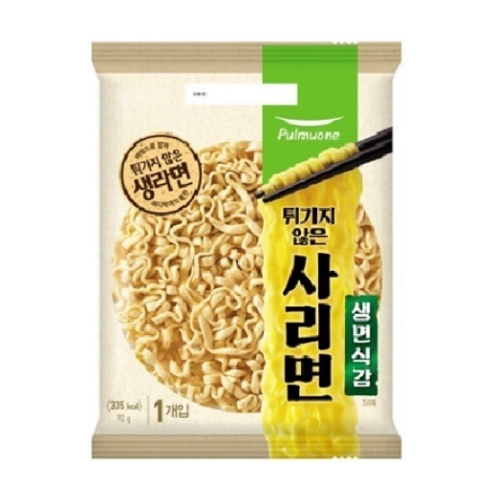
PPIC Eumseong Fresh Noodles Co., Ltd.
충청북도 음성군 대소면 삼양로 730-27 (대소면)
PPIC Eumseong Fresh Noodles Co., Ltd., located in Eumseong-gun, Chungcheongbuk-do, manufactures and supplies various fresh noodles and processed foods, such as katsuobushi udon and tonkotsu ramen, from its HACCP-certified facility to domestic and international markets.
Ottogi Busan Branch Co., Ltd.
부산광역시 해운대구 센텀북대로 60, 12층 1209호 (재송동, 센텀 아이에스타워)
Ottogi Busan Branch Co., Ltd., located in Pyeongtaek-si, Gyeonggi-do, is a HACCP-certified company specializing in processed foods, manufacturing and supplying various dressings, sauces, and fish cakes.

Ottogi Ramen Co., Ltd.
경기도 평택시 안중읍 서해로 1427
오뚜기라면(주)는 꼭 읽어주세요! ; 오뚜기는 고객님의 작은 소리도 귀 기울여 듣습니다. 불편하신 사항이나 문의사항, 제안 등을 남겨주세요. ; 고객의 소리를 통해 접수된 고객님의 (Korean food manufacturer)
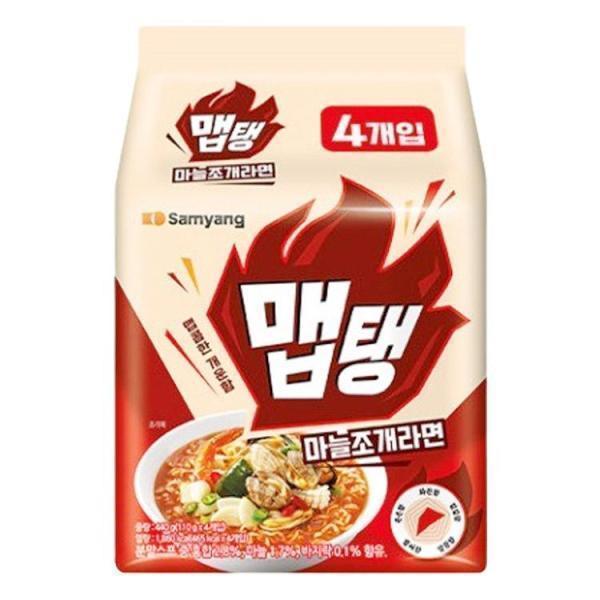
Samyang Foods Co., Ltd.
강원특별자치도 원주시 문막읍 왕건로 49, 삼양식품주식회사
삼양식품(주)유가공공장은 승용차로 오시는 길 ; 외곽 순환도로 이용 : 시청부근, 시청사거리→ 법조사거리→ 용화산삼거리→ 남송사거리(좌)→ 거장아파트→ 서곡삼거리(좌)→ 서곡교차로 (Korean food manufacturer)
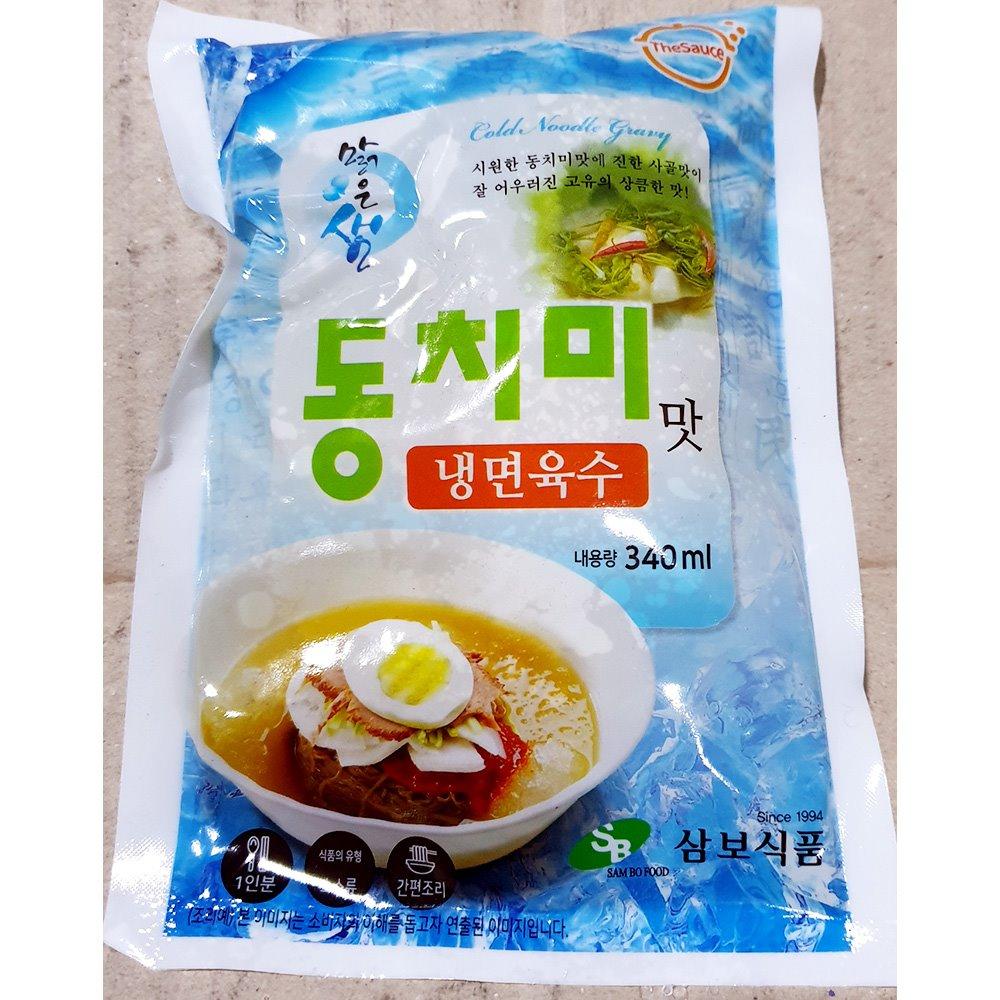
Sambo Foods
경상북도 영덕군 강구면 강영로 114
5 · 신년 할인 이벤트 ; 4 · 제품 ; 3 · 신년맞이 할인안내(2022.01.03) ; 2 · 회원 등급별 혜택(2021.08.01) ; 1 · 삼보식품 홈페이지 개편안내( (Korean food manufacturer)
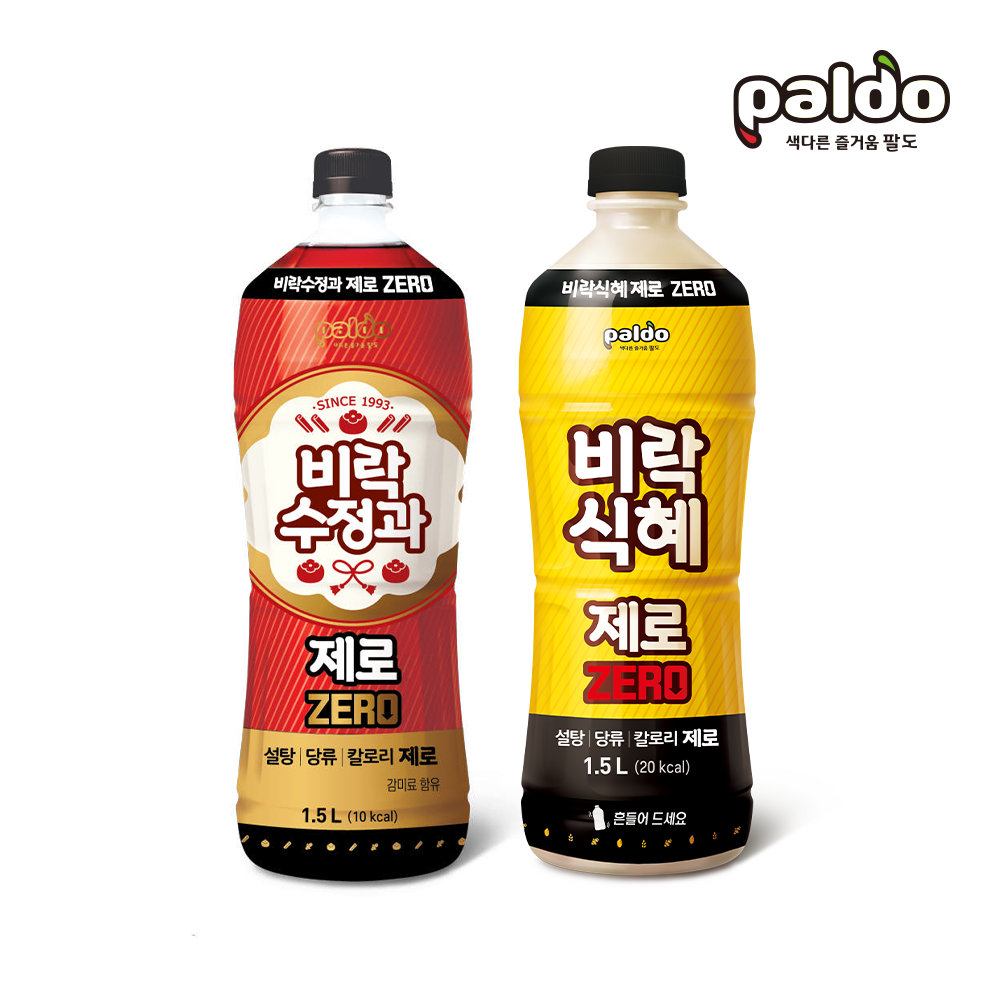
Paldo Co., Ltd.
경기도 이천시 부발읍 중부대로 1655
비상장 라면·음료 전문 기업으로 팔도비빔면, 왕뚜껑, 꼬꼬면 등 개성 있는 라면 브랜드를 보유한다. 차별화된 맛과 포지셔닝의 라면과 음료 제품으로 국내 식음료 시장에서 독자적인 브 (Korean food manufacturer)
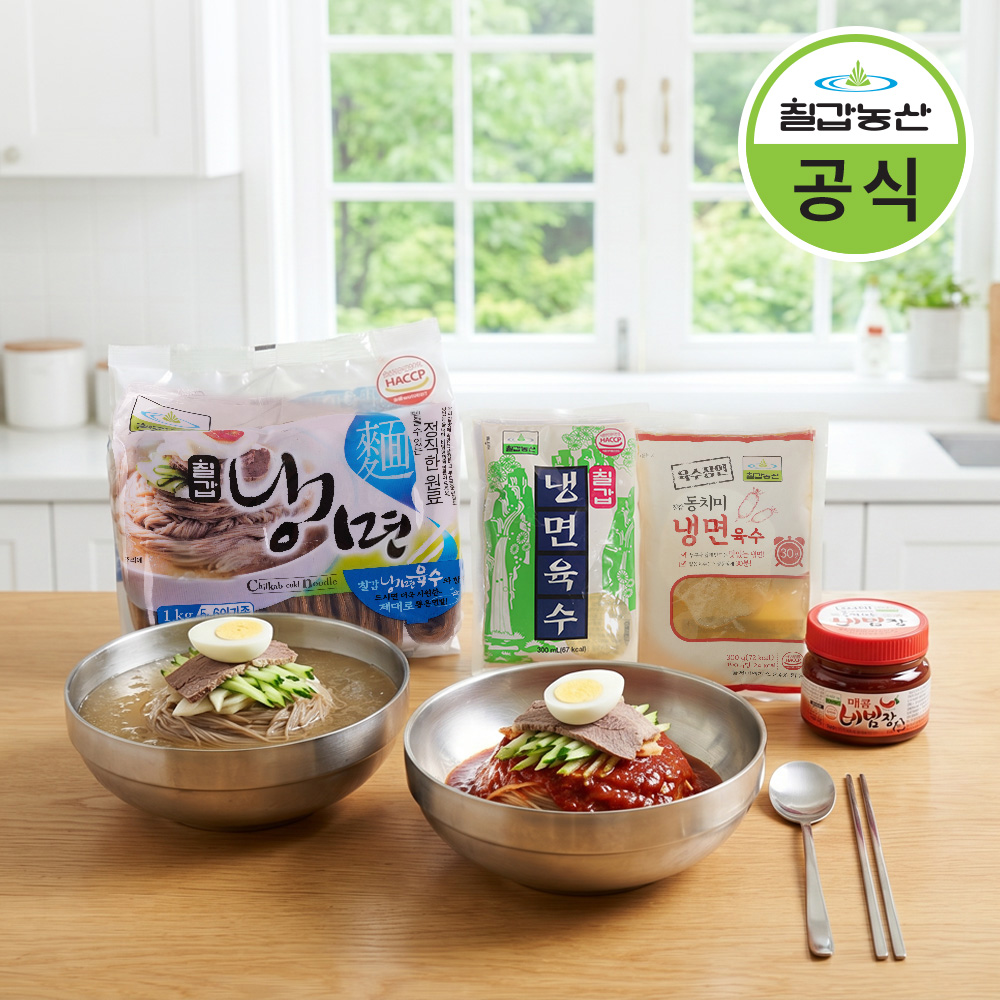
Chilgap Agricultural Products Co., Ltd.
경기도 파주시 월롱면 산들로 125-14
칠갑농산(주)는 식품 및 음료 제조 전문 기업으로, HACCP 인증 기반의 안전한 먹거리를 생산합니다. (Korean food manufacturer)
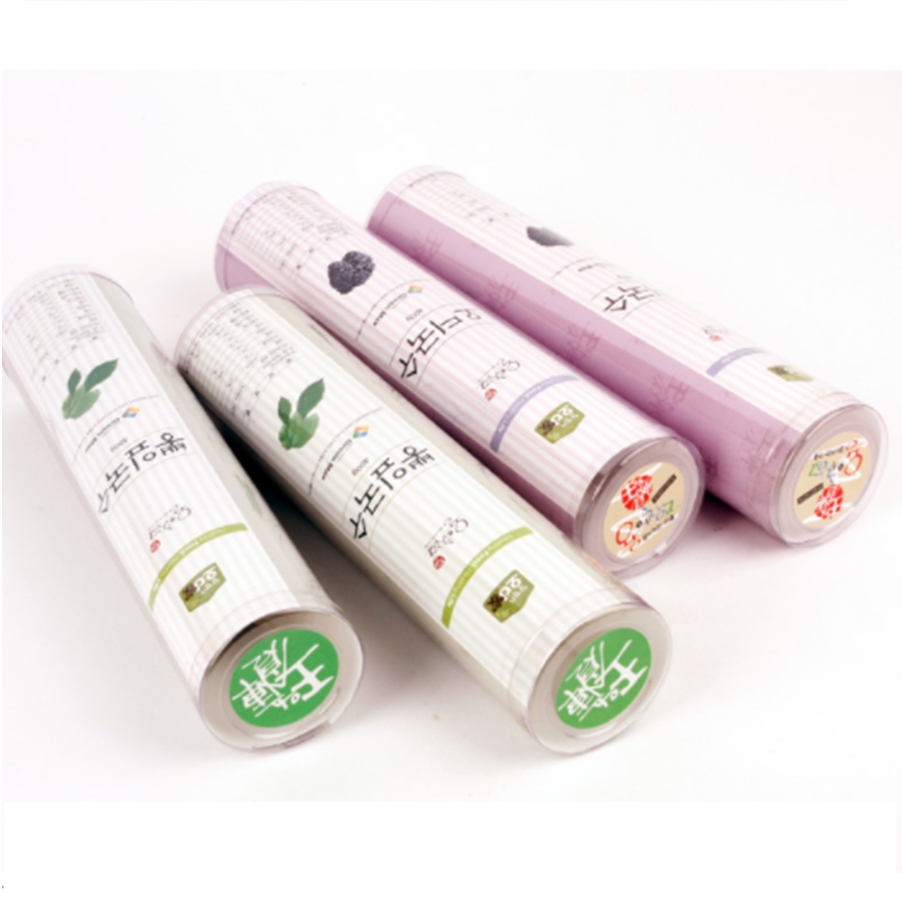
Pullnaeum Co., Ltd.
경상북도 영천시 대창면 공인길 103-6
(주)풀내음은 식자재 가공 및 유통 전문 기업으로, 위생적인 생산 환경에서 식품을 제조합니다. (Korean food manufacturer)
Sourcing Guide
Ramen sourcing starts by matching product format (pouch, cup, dried) to your target market's channel. Cup noodles are bulky, so container loading efficiency is lower and unit cost higher; pouch noodles fit more per carton and cut logistics cost. For Southeast Asia and the Middle East, halal certification is effectively a market-entry condition, so verify the supplier's certifying body and validity dates. For the US and EU, allergen labeling (wheat, soy, egg) and the nutrition panel format must meet destination rules, and you should check that flavor enhancers or colorants in some soup powders comply with local regulation. Trade volume is usually one container (about 5,000 cartons in a 20ft), and standard shelf life is 12 months. For a first order, starting with LCL to validate labeling, customs, and market response before moving to a full container reduces risk. Popular SKUs often face production backlogs, so secure a generous order lead time.
FAQ
What is the minimum order volume for ramen?
The standard trade unit is one container (about 5,000 cartons in a 20ft). For a first order, starting small with LCL — consolidating cargo with other shippers — to confirm customs and market response before moving to a full container is recommended.
Is halal certification required for Southeast Asia and Middle East export?
For Muslim markets such as Indonesia and Malaysia, halal certification is effectively an entry condition. Verify the supplier's certifying body, validity dates, and which SKUs the certificate covers — it often applies to specific products rather than the full ramen range.
What should be checked on ramen labels for export?
Allergen declarations (wheat, soy, egg) and the nutrition panel format must meet destination rules. You should also confirm that flavor enhancers and colorants in soup powders comply with US or EU regulation. Standard shelf life is 12 months.