Frozen Korean Food Suppliers
Korean frozen food is led by dumplings (CJ Bibigo), tteokbokki, hot soups, chicken nuggets, and HMR (home meal replacement). Maintaining -18°C cold chain is mandatory; reefer container rental costs 2-3× standard containers. Verify USDA (US) and EU EFSA processed food registration. Typical MOQ: 1,000-5,000 cartons. Shelf life 12-18 months. Bibigo dumplings alone export $300M+ annually.
Showing 20 verified Frozen Korean Food suppliers.
Sanji Wholesale Center
Sanji Wholesale Center is a South Korean manufacturer and supplier specializing in frozen dumplings and pizza. The company produces and distributes a range of frozen food products, with a primary focus on high-quality frozen dumplings and pizzas. Sanji Wholesale Center is actively seeking B2B partnerships and welcomes export inquiries from international buyers.
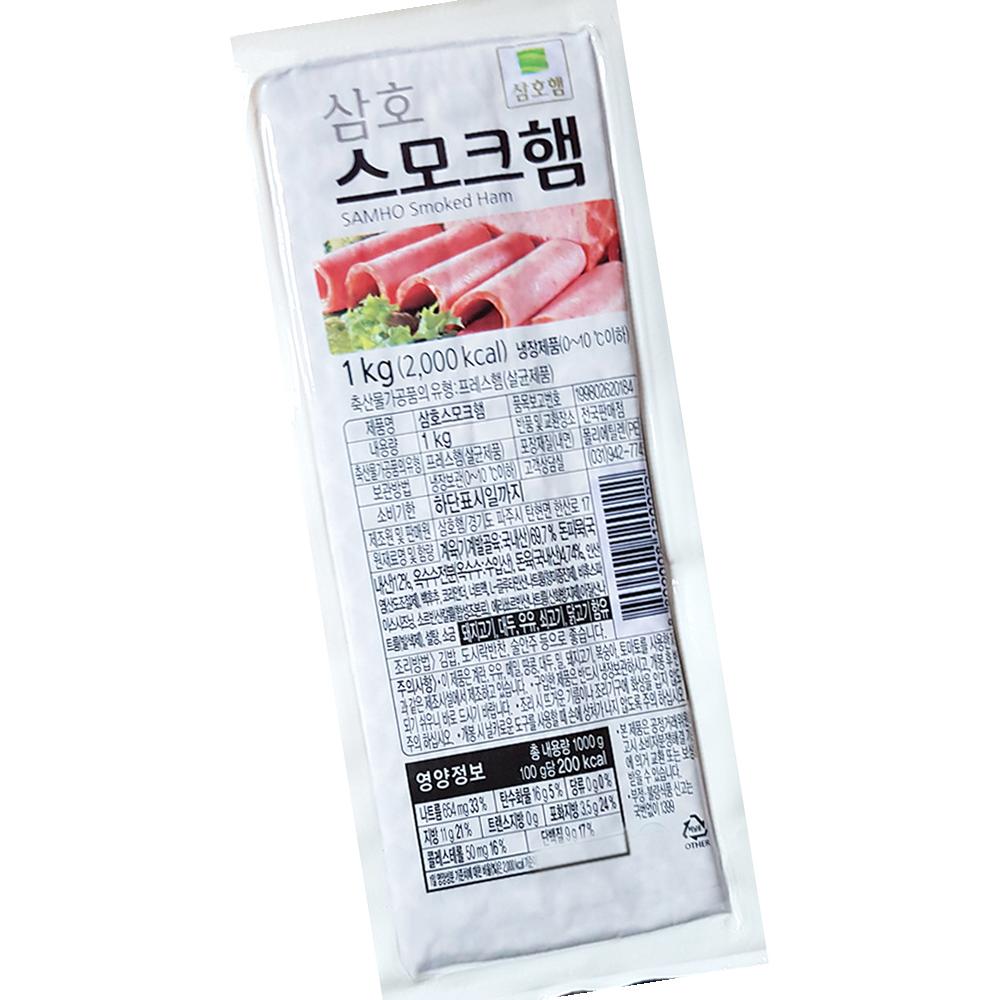
Samho Livestock Foods Co., Ltd.
경기도 성남시 중원구 산성대로408번길 39 (금광동)
Samho Livestock Foods Co., Ltd. manufactures and supplies a variety of processed meat products and processed foods, including chilled/frozen bulgogi ham.
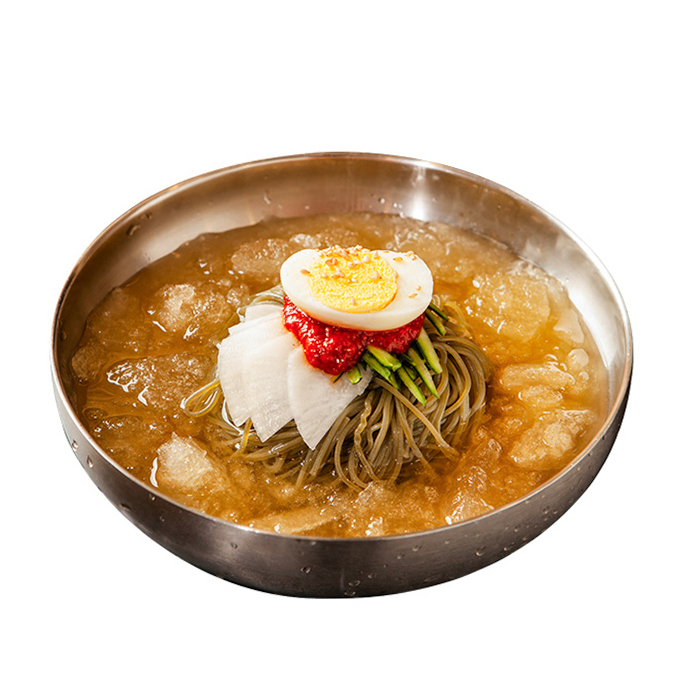
Agricultural Corporation Deojoeun Frozen Co., Ltd.
경상남도 거제시 사등면 오량1길 1-16
Agricultural Corporation Deojoeun Frozen Co., Ltd. is a food manufacturing and supply company specializing in various frozen foods such as Galbitang, Naengmyeon broth, and pork soup.
Chefud
Chefud is a South Korean manufacturer and supplier specializing in frozen dumplings and pizza. The company focuses on producing and distributing a range of high-quality frozen food products. Chefud welcomes B2B transactions and export inquiries from international partners seeking reliable frozen food solutions.
CJ Foodville
충청북도 음성군
CJ Foodville is a prominent South Korean manufacturer and supplier specializing in the frozen food sector. The company offers a diverse range of frozen food products, including various processed frozen goods. With a strong focus on quality and efficiency, CJ Foodville is well-equipped to meet the demands of B2B clients. They actively welcome inquiries for both domestic B2B transactions and international export partnerships, aiming to expand their global presence.
Bareun Pizza Life
Bareun Pizza Life is a South Korean manufacturer and supplier specializing in the frozen food sector. The company produces and distributes a diverse range of frozen food products, including various frozen processed items. Committed to delivering high-quality and efficient frozen food solutions, Bareun Pizza Life serves both domestic and international markets. The company actively welcomes B2B partnerships and export inquiries from businesses seeking reliable frozen food products.
Gangcheol Distribution
Gangcheol Distribution is a domestic manufacturer and supplier specializing in the frozen food sector. We offer a comprehensive range of frozen products, including various frozen foods and processed frozen goods. Committed to quality and efficiency, we serve the B2B market and welcome inquiries for export partnerships. Our expertise ensures reliable supply chains for businesses seeking high-quality frozen food solutions.
Meokneunde Jinsim Foods
Meokneunde Jinsim Foods is a South Korean manufacturer and supplier specializing in frozen food products, primarily frozen dumplings and pizzas. The company is dedicated to producing and distributing high-quality frozen items for the domestic market. With a focus on efficiency and product integrity, Meokneunde Jinsim Foods welcomes B2B partnerships and export inquiries from international buyers seeking reliable frozen food solutions.
Daeshin
경기도 하남시
Daeshin is a domestic manufacturer and supplier specializing in the frozen food sector. The company focuses on a range of products including frozen foods, general frozen products, and various frozen processed foods. Daeshin is committed to serving B2B clients and welcomes inquiries for both domestic and international export opportunities.
Minong Food
부산광역시 강서구
Minong Food is a domestic manufacturer and supplier specializing in the frozen food sector in South Korea. The company offers a comprehensive range of frozen products, including general frozen foods, various frozen items, and processed frozen goods. Minong Food is committed to serving B2B clients and actively welcomes inquiries for both domestic transactions and international export partnerships.
Dongnama Unnie
Dongnama Unnie is a domestic manufacturer and supplier specializing in the frozen food sector. The company focuses on a range of frozen products, including general frozen foods and various frozen processed items. Dongnama Unnie is actively seeking B2B partnerships and welcomes export inquiries from international buyers.
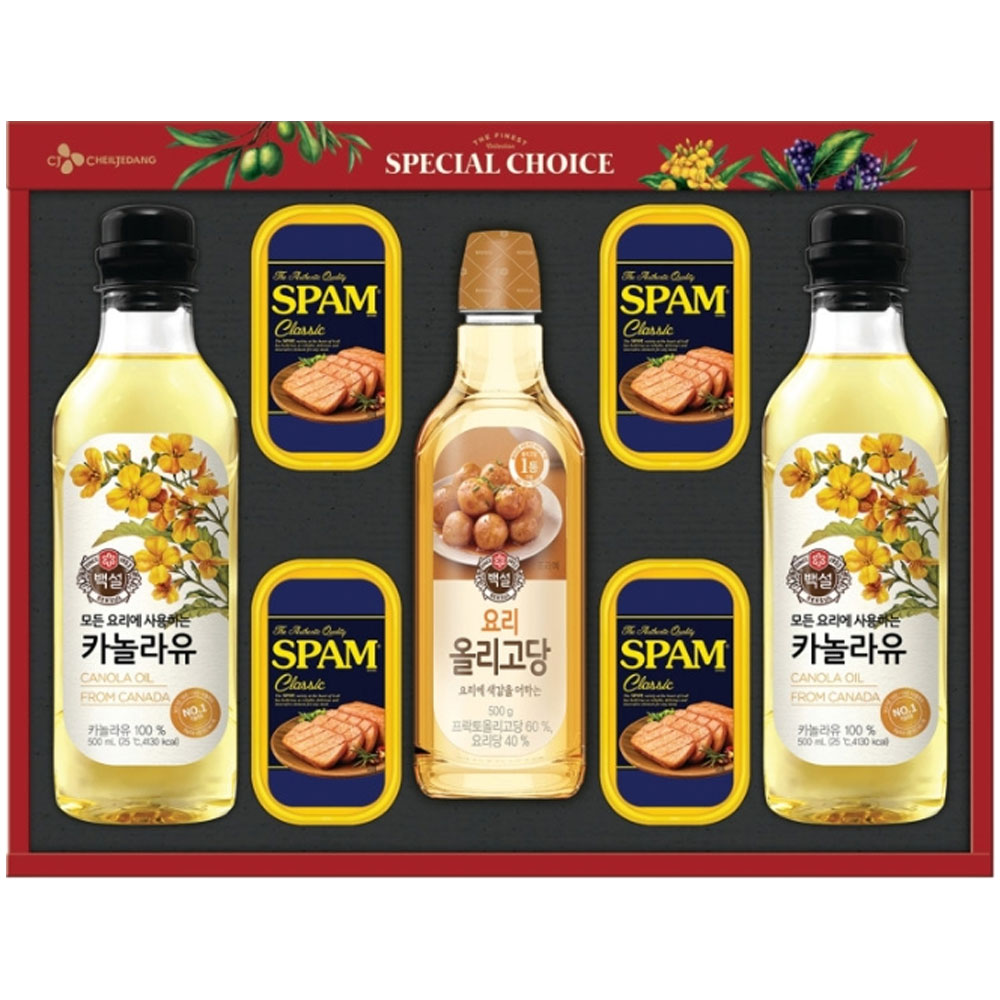
CJ Jeiljedang
서울특별시 중구
CJ그룹 계열 KOSPI 상장사로 햇반·스팸·비비고 등 주요 식품 브랜드와 아미노산 발효 바이오 사업, 사료를 영위한다. 글로벌 K-푸드 브랜드를 육성하며 국내 최대 종합식품기업으 (Korean food manufacturer)
PR Food
PR Food is a South Korean manufacturer and supplier specializing in the frozen food sector. The company offers a diverse range of frozen products, including general frozen foods, quick-frozen items, and various frozen processed goods. Committed to delivering high-quality products, PR Food serves both the domestic market and actively welcomes B2B partnerships and export inquiries from international buyers.
Wando The Sea
Wando The Sea is a South Korean manufacturer and supplier specializing in the frozen food sector. The company offers a diverse range of frozen foods and frozen processed products. Wando The Sea is committed to providing high-quality frozen offerings and actively welcomes B2B partnerships and export inquiries from international buyers.
Hyeomnip Frozen Foods Co., Ltd.
경상남도 김해시 상동면 상동로 689
Hyeomnip Frozen Foods Co., Ltd. manufactures various processed foods, including frozen foods and bakery products, and supplies food ingredients.
Ssarijae Foods
Ssarijae Foods is a domestic manufacturer and supplier specializing in the frozen food sector. The company focuses on a range of frozen products, including general frozen foods, individually quick-frozen (IQF) items, and various frozen processed foods. Committed to quality and efficiency, Ssarijae Foods serves the B2B market and actively welcomes inquiries for both domestic and international export partnerships.
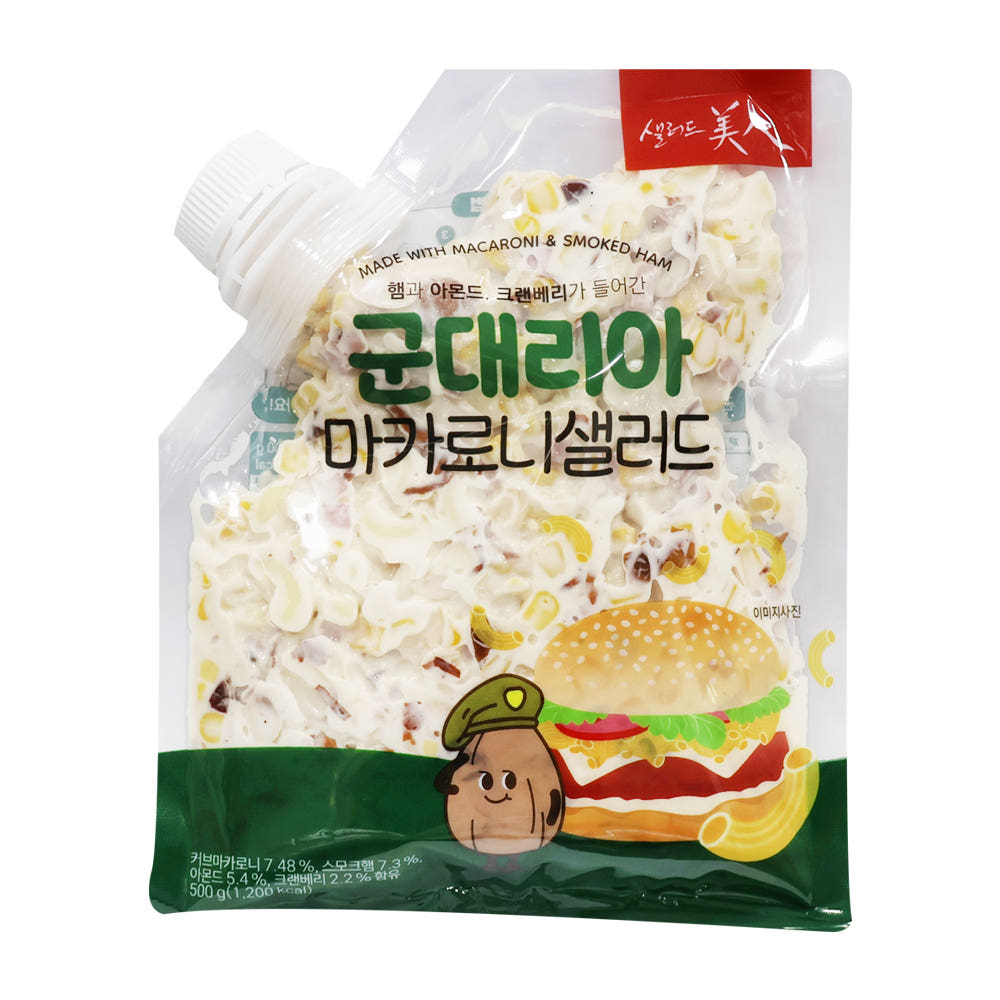
MDS Co., Ltd.
경기도 파주시 파주읍 가마울길 212-17 (엠디에스코리아)
(주)엠디에스코리아는 식품 및 음료 제조 전문 기업으로, HACCP 인증 기반의 안전한 먹거리를 생산합니다. (Korean food manufacturer)
Berryfield
Berryfield is a South Korean manufacturer and supplier specializing in frozen dumplings and pizzas. The company focuses on producing and distributing high-quality frozen food products for the domestic market. Berryfield welcomes B2B partnerships and export inquiries from international buyers seeking reliable suppliers of frozen prepared foods.
Nampodong 18th Wantangjip
Nampodong 18th Wantangjip is a South Korean manufacturer and supplier specializing in the frozen food sector. The company focuses on a range of frozen products, including general frozen foods and various frozen processed items. We are committed to providing high-quality frozen food solutions for the domestic market and welcome B2B partnerships and export inquiries from international buyers.
FOOKING
FOOKING is a South Korean manufacturer and supplier specializing in frozen dumplings and pizza. The company focuses on producing and distributing a variety of high-quality frozen dumplings and pizza products for the domestic market. FOOKING is actively seeking B2B partnerships and welcomes export inquiries from international buyers interested in its specialized range of frozen food items.
Sourcing Guide
The biggest variables in frozen food sourcing are cold-chain cost and ingredient composition. The product must hold below -18°C from dispatch to arrival, and reefer container rental at 2-3× a standard container must be built into pricing. Meat-containing products such as dumplings and nuggets fall under USDA FSIS for US export, where facility certification and inspection are stricter, so meat content must be made clear early in the order process. Vegetable- and seafood-based products follow a relatively simpler path. When vetting a supplier, confirm HACCP alongside US USDA/FDA and EU EFSA processed-food registration. Frozen food loses quality sharply if thawed and refrozen, so request temperature loggers for each transport leg and include an arrival core-temperature check in the contract. Standard shelf life is 12-18 months and MOQ is usually 1,000-5,000 cartons. Run a small first order to verify texture and shape retention after thawing before expanding volume.
FAQ
What is the minimum order quantity for frozen food?
Standard products usually trade from 1,000-5,000 cartons. Frozen food typically ships by the reefer container, so ordering to match the container's load improves how efficiently the rental cost is shared.
What is different about US export of meat-containing frozen food?
Meat-containing products such as dumplings and nuggets fall under USDA FSIS in the US, where facility certification and inspection are stricter than for vegetable or seafood products. Meat content must be clear early in the order to schedule customs accurately.
How is the cold chain for frozen food verified?
The product must hold below -18°C from dispatch to arrival, and thawing then refreezing degrades quality sharply. Request temperature loggers for each transport leg and state an arrival core-temperature check in the contract.