Korean Beverages Suppliers
Korean beverages include aloe drinks, red ginseng tea, plum extract, coconut water, and traditional teas. Container loading efficiency varies by packaging (PET, can, pouch), so factor this into shipping quotes. Prioritize suppliers with HACCP, ISO 22000, and US GRAS registration. Standard shelf life is 12-24 months. A 20ft container holds 15,000-25,000 bottles depending on size.
Showing 20 verified Korean Beverages suppliers.
Hannam Union
Hannam Union is a South Korean manufacturer and supplier specializing in soy milk and plant-based beverages. The company focuses on producing and distributing a range of high-quality soy milk and various plant-based drink products. Hannam Union welcomes B2B partnerships and export inquiries from international buyers seeking reliable suppliers in the plant-based beverage sector.
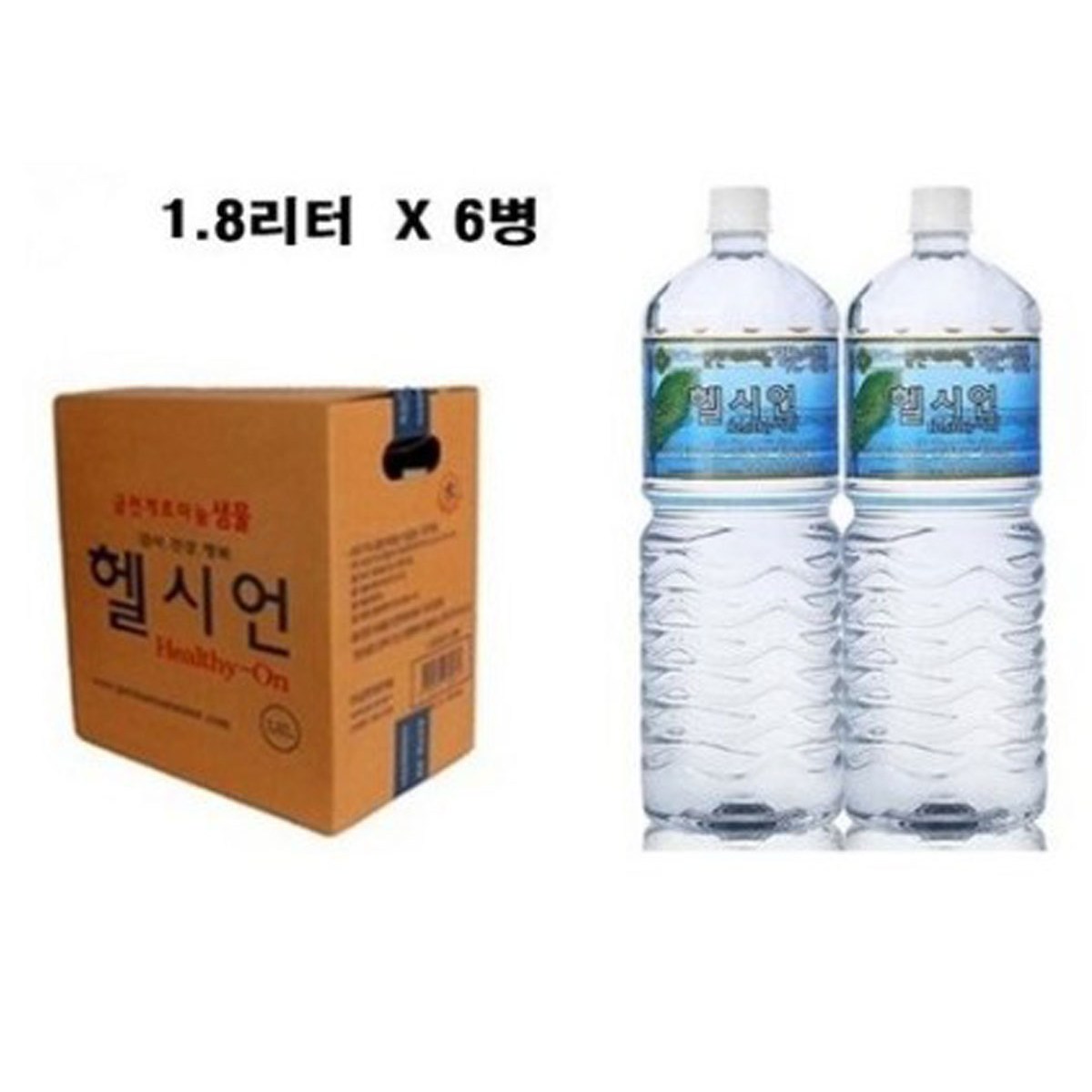
Geumcheon Germanium Co., Ltd.
충청북도 옥천군 청성면 청성로 76 (공장)
(주)금천게르마늄은 생명의 원소로 불리는 게르마늄을 함유 생체의 면역작용과 인터페론의 생산을 촉진, 신비의 물로 알려진 금천 게르마늄 광천수의 수요가 늘자 일반 지하수가 게르마늄 (Korean food manufacturer)
Amazing Brewing Company Co., Ltd.
경기도 이천시 백사면 원적로801번길 319
주식회사 어메이징브루잉컴퍼니는 식품 및 음료 제조 전문 기업으로, HACCP 인증 기반의 안전한 먹거리를 생산합니다. (Korean food manufacturer)
Cheongchun Farm
Cheongchun Farm is a South Korean manufacturer and supplier specializing in soy milk and plant-based beverages. The company focuses on producing and distributing a range of high-quality soy milk and other plant-based drink products. With a commitment to meeting market demands, Cheongchun Farm actively seeks B2B partnerships and welcomes export inquiries from international buyers looking for reliable suppliers in the plant-based beverage sector.
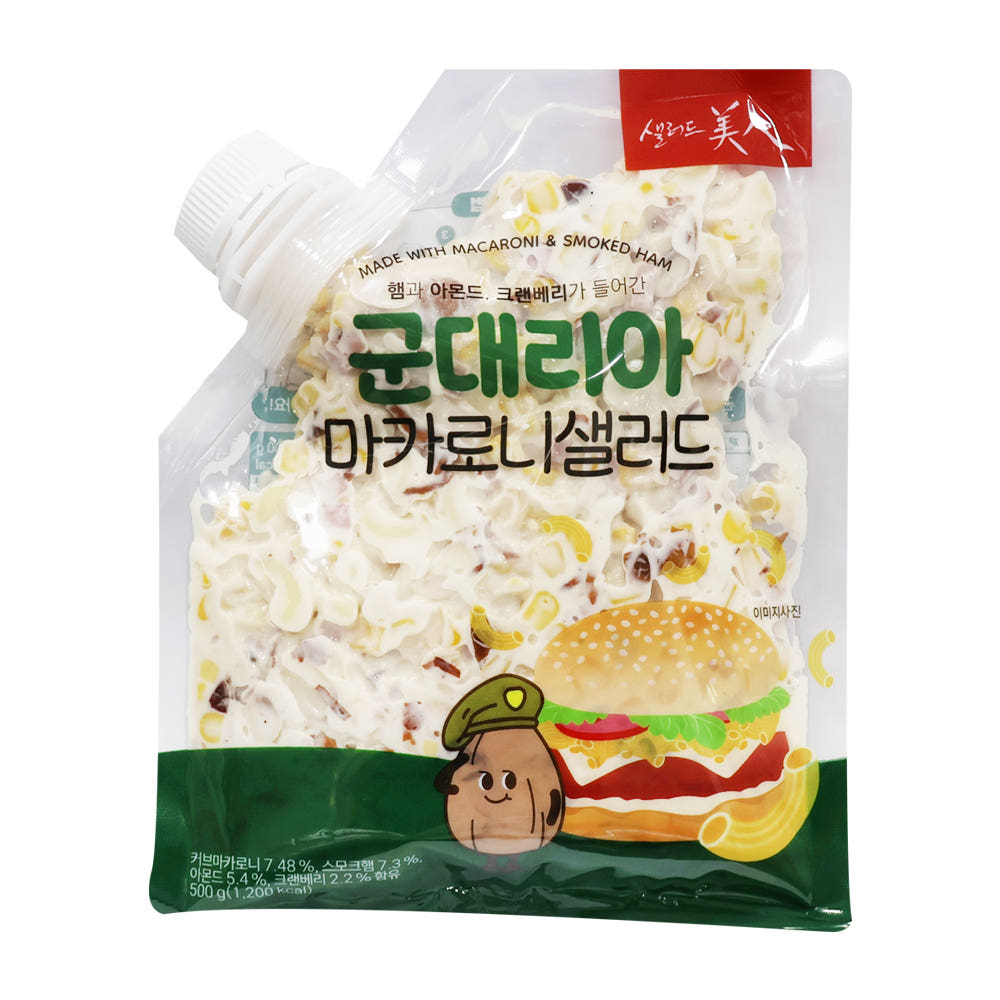
MDS Co., Ltd.
경기도 파주시 파주읍 가마울길 212-17 (엠디에스코리아)
(주)엠디에스코리아는 식품 및 음료 제조 전문 기업으로, HACCP 인증 기반의 안전한 먹거리를 생산합니다. (Korean food manufacturer)
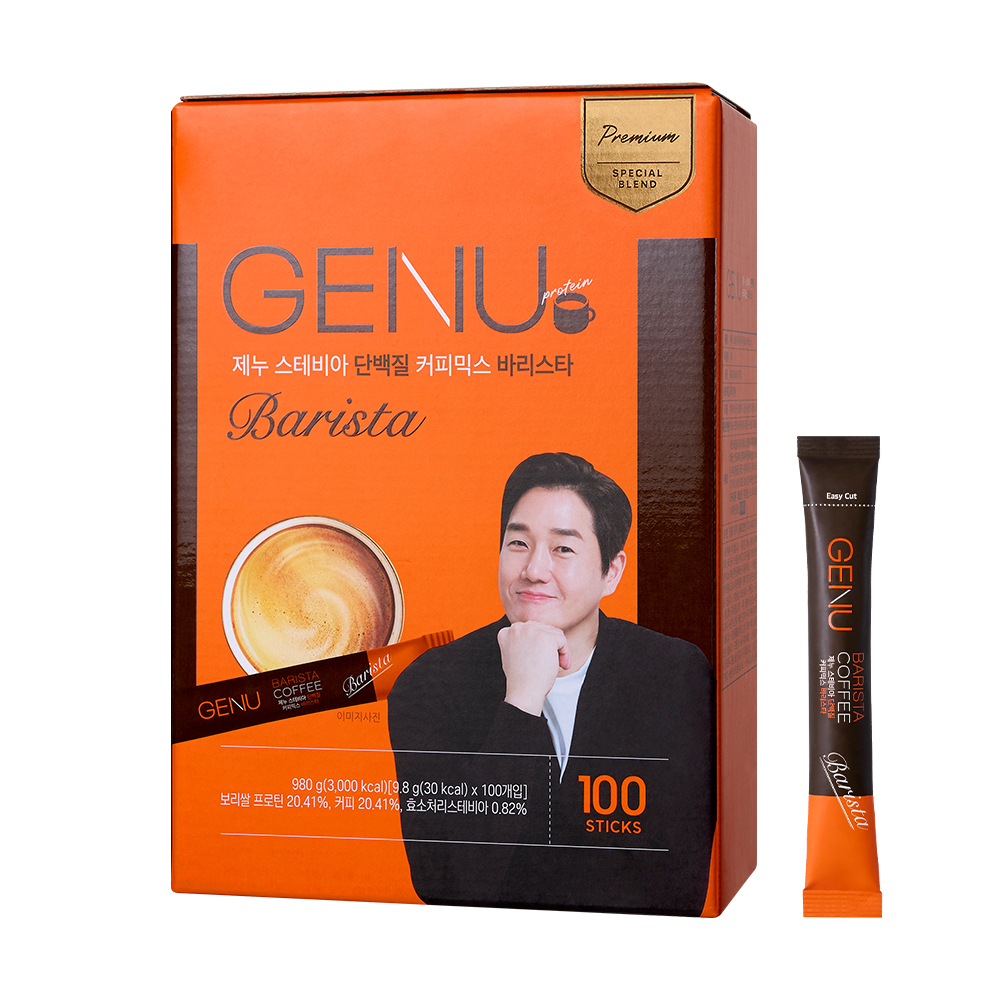
JS Food Co., Ltd.
경상북도 문경시 매봉6길 16, 1층 (모전동)
Located in Incheon, JS Food Co., Ltd. is a HACCP-certified company that manufactures and supplies various beverages, including hot chocolate and coffee.
Sunny10
Sunny10 is a prominent domestic manufacturer and supplier specializing in carbonated beverages within South Korea. The company is dedicated to producing and distributing a diverse range of refreshing drinks, catering to various consumer preferences. With a strong focus on quality and efficiency, Sunny10 is well-equipped to manage large-scale B2B transactions. We actively welcome inquiries from international partners interested in export opportunities for our beverage products.
Almond Breeze
Almond Breeze is a South Korean manufacturer and supplier specializing in soy milk and plant-based beverages. The company focuses on products derived from almonds, various nuts, and soy. As a dedicated B2B partner, Almond Breeze welcomes inquiries for domestic transactions and international export opportunities, providing high-quality plant-based drink solutions.
Orangina
Orangina is a domestic manufacturer and supplier specializing in the carbonated beverage sector in South Korea. The company focuses on producing and distributing various types of beverages and drinks. Orangina welcomes B2B transactions and export inquiries from international partners seeking high-quality carbonated drink products.
Sangsang Beverage
Sangsang Beverage is a South Korean manufacturer and supplier specializing in carbonated beverages. The company produces and distributes a variety of drinks, focusing on quality and market demand. Sangsang Beverage is actively seeking B2B partnerships and welcomes all export inquiries from international buyers.
Maeil Dairies
Maeil Dairies is a leading South Korean manufacturer and supplier specializing in soy milk and plant-based beverages. The company's product portfolio includes a wide range of milk, dairy products, and various soy milk options. With a strong focus on quality and domestic supply, Maeil Dairies is actively seeking B2B partnerships and welcomes export inquiries from international buyers.
Kongcookmom's Kongmul.com
Kongcookmom's Kongmul.com is a South Korean manufacturer and supplier specializing in soy milk and other plant-based beverages. The company focuses on processing and distributing high-quality soybeans, tofu, and various soy milk products. Committed to natural ingredients and traditional methods, Kongcookmom's Kongmul.com serves both domestic and international markets. The company actively seeks B2B partnerships and welcomes export inquiries for its range of soy-based food and beverage solutions.
Kloop
Kloop is a South Korean manufacturer and supplier specializing in carbonated beverages. The company offers a variety of drinks and welcomes B2B partnerships and export inquiries from international buyers. Kloop is committed to providing high-quality beverage products for the global market.
Gyeongju the Dubu
경상북도 경주시
Gyeongju the Dubu is a South Korean manufacturer and supplier specializing in soy milk and plant-based beverages. The company focuses on producing and distributing a range of products including tofu, soy milk, and various other plant-based drinks. As a dedicated B2B partner, Gyeongju the Dubu welcomes inquiries for domestic transactions and international export opportunities, offering reliable supply and quality products to businesses worldwide.
Daehak Soy Milk
강원특별자치도 평창군
Daehak Soy Milk is a South Korean manufacturer and supplier specializing in soy milk and plant-based beverages. The company produces and distributes a diverse range of high-quality soy milk and other plant-based drink products. With a focus on the domestic market, Daehak Soy Milk is actively expanding its B2B operations and welcomes inquiries from international partners for export opportunities, aiming to deliver its specialized products to global markets.
Oatmond
Oatmond is a South Korean manufacturer and supplier specializing in soy milk and plant-based beverages. The company primarily deals with a range of soy milk products and various other innovative plant-based drinks. Oatmond is committed to providing high-quality products for the domestic market and actively seeks B2B partnerships and export opportunities globally.
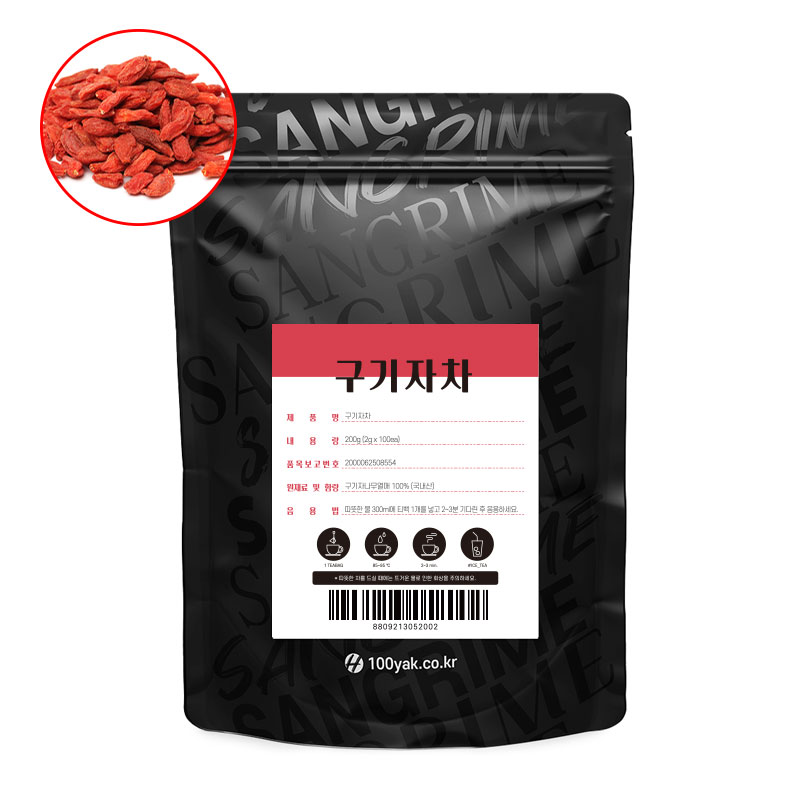
Hapcheon Medicinal Herb Processing Farming Co-op
경상남도 합천군 합천읍 내곡길 16
합천생약가공영농조합 법인은 합천생약가공영농조합법인(대표 백문기)은 17일 합천군청을 방문해 지역 농축산인들의 안정적인 영농 활동을 지원하기 위해 농축산물가격안정기금 500만 원을 (Korean food manufacturer)
Pure and Rich Soy Milk
Pure and Rich Soy Milk is a South Korean manufacturer and supplier specializing in soy milk and plant-based beverages. The company focuses on processing and distributing high-quality soybeans, tofu, and various soy milk products. We are dedicated to providing reliable B2B solutions and welcome inquiries for both domestic and international export partnerships.
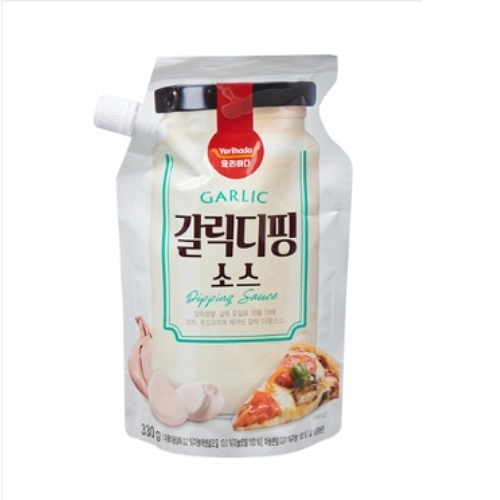
Wonil Co., Ltd.
경기도 안성시 미양면 신두만곡로 727-9
(주)원일은 소스 및 복합조미식품 전문업체, 향미유, 혼합장, 드레싱 등 제품 소개, 구입 안내. (Korean food manufacturer)
Sin Saenghwal Foods Co., Ltd.
경상북도 예천군 호명면 양궁로 657
Sin Saenghwal Foods Co., Ltd. manufactures and supplies various beverages, offering food products to markets in the United States and Southeast Asia.
Sourcing Guide
Beverage sourcing starts with understanding the relationship between packaging format and shipping cost. PET bottles, cans, and pouches load into a container with different efficiency even at the same volume, and beverages have low value per unit weight, so logistics cost weighs heavily on margin. A 20ft container holds roughly 15,000-25,000 bottles depending on size. When vetting a supplier, confirm HACCP and ISO 22000, and for US entry check that ingredients appear on the GRAS list. Beverages making a functional claim (red ginseng, fermented tea) may require US NDI notification or EU Novel Food approval, so review marketing copy and regulatory fit together. Aloe and juice drinks can naturally sediment or separate, so confirm the label carries a guidance note. Standard shelf life is 12-24 months. MOQ is usually 1,000-3,000 cases, and for private label, allow 6-10 weeks from bottle and label spec sign-off to first shipment.
FAQ
What is the minimum order quantity for beverages?
Standard products usually trade from 1,000-3,000 cases. A single 20ft container holds roughly 15,000-25,000 bottles depending on size, so ordering by the container improves unit-price negotiation.
What regulatory review is needed for functional beverage export?
Drinks making an efficacy claim, such as red ginseng or fermented tea, may need US NDI notification or EU Novel Food approval. If a functional claim on the label exceeds standard beverage rules, customs can be delayed, so pre-review is essential.
How does packaging format affect shipping cost?
PET, can, and pouch differ in loading efficiency and weight even at the same volume, changing the load per container and the freight cost. Beverages have low value per unit weight, so logistics is a large cost share — compare load figures by format when quoting.