Korean Sauces & Condiments Suppliers
Korean sauces and condiments include doenjang (fermented soybean paste), soy sauce, ssamjang (BBQ wrap sauce), Korean BBQ sauces, dressings, and dasida (umami seasoning). Global demand is exploding — K-sauce exports surpassed $400M in 2024. Prioritize HACCP, Non-GMO, and USDA Organic certified suppliers. Packaging (glass/PET/pouch) significantly affects shipping cost. Typical MOQ: 500-2,000 cartons; many suppliers offer private label (OEM/PB).
Showing 20 verified Korean Sauces & Condiments suppliers.
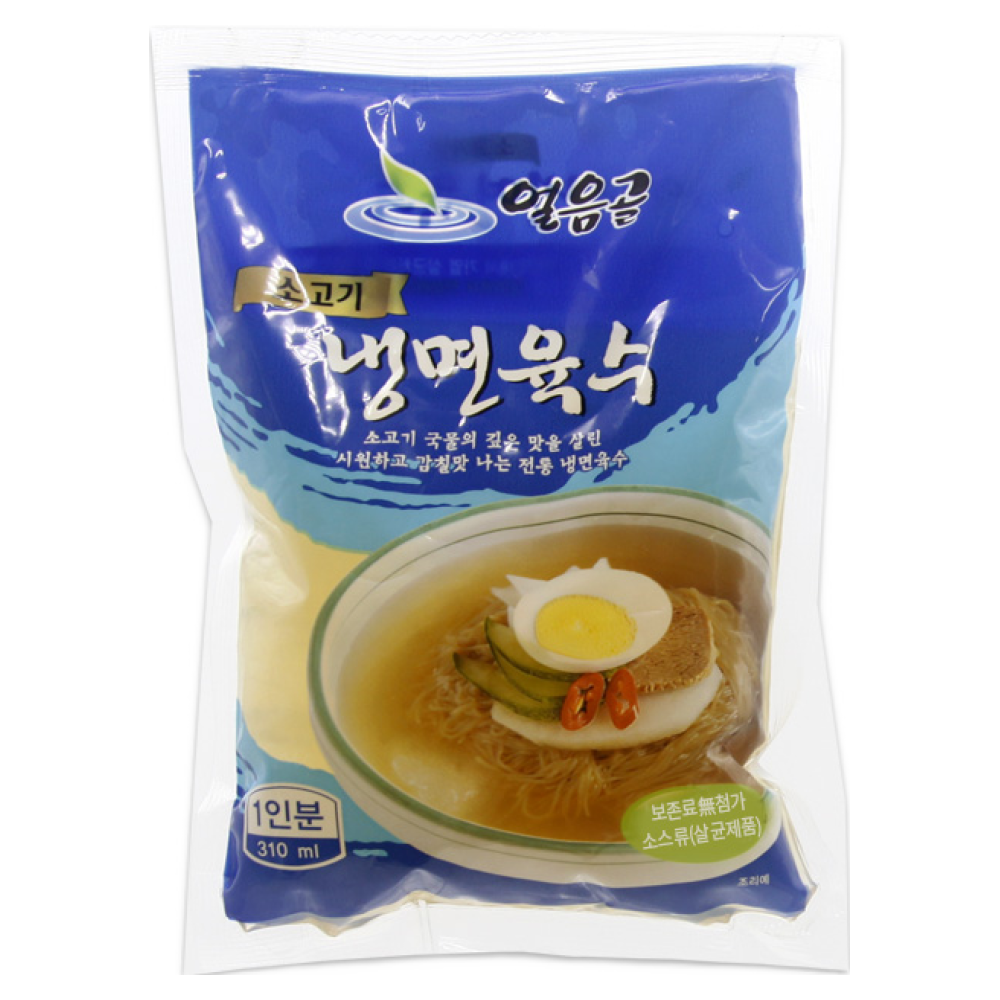
Haein Foods
부산광역시 강서구 가락대로1397번길 266 (봉림동)
Haein Foods is a specialized company that manufactures and supplies various processed foods and ingredients. We handle a wide range of products including concentrated beef bone broth, acorn jelly, tofu, and soy sauce.
Juyeong Foods
전라남도 목포시 연산동 1246-2번지
Juyeong Foods manufactures and supplies a variety of processed foods, including bakery and confectionery ingredients, umami marinades, and spicy chicken gangjeong sauce.
Jeongsan Foods Farming Co-op
전북특별자치도 정읍시 산내면 태산로 1716 (정산식품 영농조합법인)
정산식품영농조합법인은 제조업 기반 감식초 기업입니다. 업력 30년 차의 부가가치세 일반과세자 영리법인의 본점으로 현재 계속사업자 입니다. 사업장은 전북특별자치도 정읍시 산내면 태산 (Korean food manufacturer)
Baekhap Foods
경상북도 경산시 자인면 북사리 416번지 외 2필지
백합식품(사복)성바오로 애덕원은 전통식품 전문 쇼핑몰, 간장, 메주, 고추장, 쌈장 등 판매. (Korean food manufacturer)
Hamitomi
Hamitomi is a South Korean manufacturer and supplier specializing in traditional fermented soybean products, including Doenjang (fermented soybean paste) and Cheonggukjang (fast-fermented soybean paste). The company focuses on the production and supply of these fermented goods. Hamitomi welcomes B2B partnerships and export inquiries for its range of authentic Korean fermented foods.
Haeinsa Jangmat
Haeinsa Jangmat is a South Korean manufacturer and supplier specializing in traditional fermented soybean products. The company focuses on producing high-quality Doenjang (Korean fermented soybean paste) and Cheonggukjang (Korean fast-fermented soybean paste). Leveraging expertise in fermentation, Haeinsa Jangmat is dedicated to preserving authentic flavors and delivering premium products. We welcome B2B partnerships and export inquiries for our range of traditional Korean fermented foods.
Bak Myeong-hwa Myeongpum Doenjang
Bak Myeong-hwa Myeongpum Doenjang is a domestic manufacturer and supplier specializing in doenjang (soybean paste) and cheonggukjang (fermented soybean paste). We focus on traditional fermented soybean products, including doenjang and other jang (Korean fermented sauces). We welcome B2B inquiries and export opportunities.
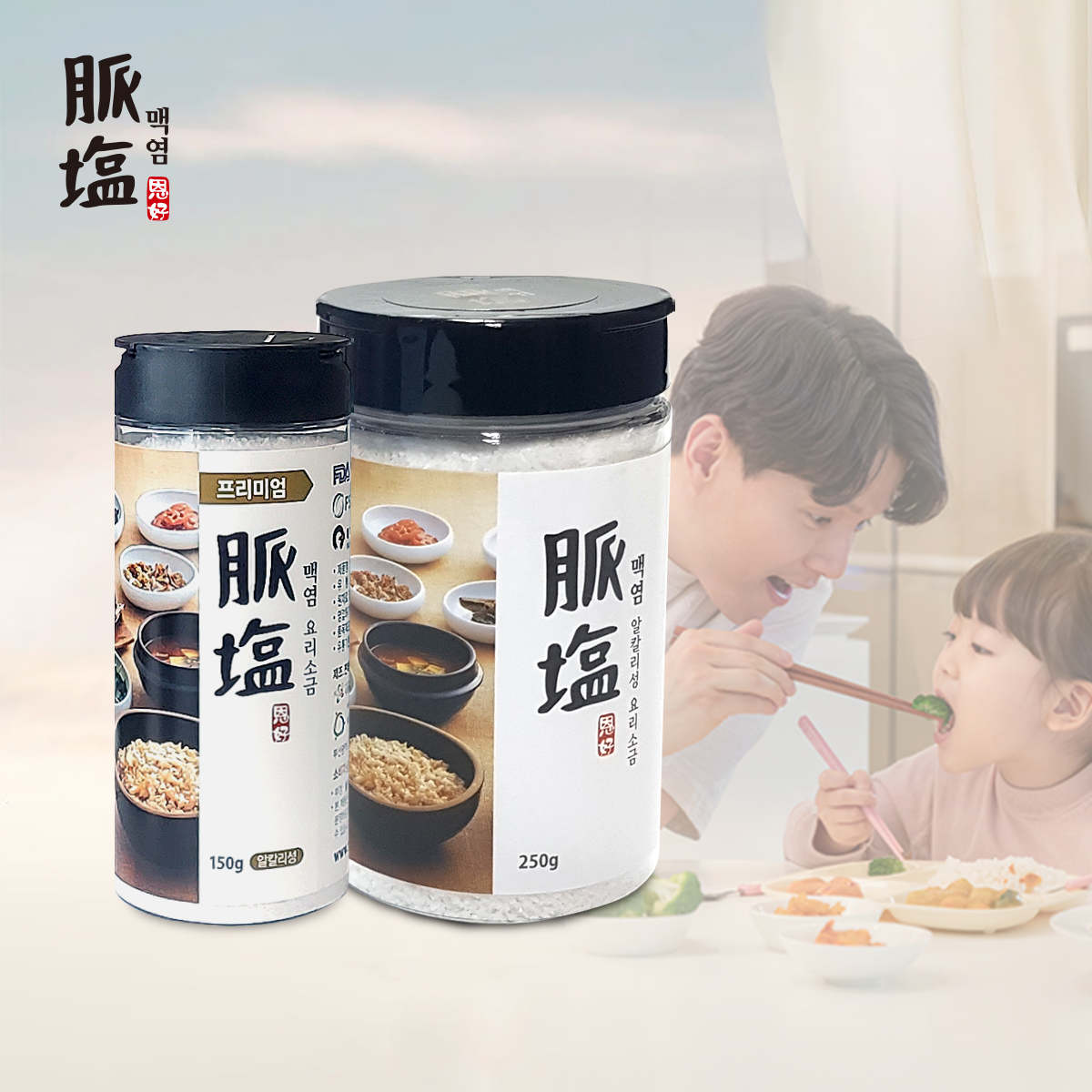
Maegyeom Bio Co., Ltd.
부산광역시 금정구 구서온천천로 59, 지하 1층(구서동, 하나로아파트 3차)
✅ 맥염바이오 Korea 신병 모집. 명부 직업 03-2026. 직장 찾기 맥염바이오 빠르고 최신입니다. 직장 찾기 Kr.findjob24h.com. (Korean food manufacturer)
Dalkong Ganjang
Dalkong Ganjang is a South Korean manufacturer and supplier specializing in soy sauce and traditional Korean fermented pastes. The company focuses on producing and distributing high-quality soy sauce, various jangryu (fermented soybean pastes), and beans. Dalkong Ganjang is committed to providing authentic Korean food ingredients to the global market and welcomes B2B partnerships and export inquiries from international buyers.
Mellows
Mellows is a South Korean manufacturer and supplier specializing in the sauces and seasonings sector. The company focuses on producing and distributing a diverse range of high-quality sauces and various seasoning products. Mellows is actively engaged in B2B transactions and welcomes inquiries from international partners for export opportunities.
JejeMart
JejeMart is a South Korean manufacturer and supplier specializing in sauces and seasonings. The company offers a range of high-quality sauces and various seasoning products for the food industry. JejeMart is dedicated to serving B2B clients and welcomes inquiries for both domestic and international export partnerships.
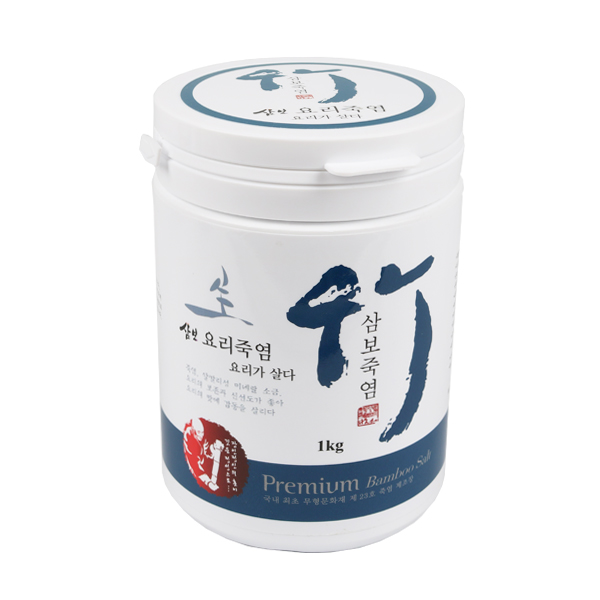
Sambo Bamboo Salt Co., Ltd.
전북특별자치도 고창군 무장면 학천로 284-16 (무장면)
무형문화재 죽염제조장, 자죽염, 미용죽염, 요리죽염 등 장인정신 혼으로 제조되는 삼보죽염 본사 쇼핑몰. (Korean food manufacturer)
Cellbible
Cellbible is a South Korean manufacturer and supplier specializing in sauces and seasonings. The company focuses on producing and distributing a wide range of high-quality sauces and various seasoning products for the domestic market. Cellbible actively welcomes B2B partnerships and export inquiries from international buyers seeking reliable and authentic Korean food ingredients.
Haru Smile
Haru Smile is a South Korean manufacturer and supplier specializing in the sauces and seasonings sector. The company produces and distributes a diverse range of high-quality sauce and seasoning products. Haru Smile is actively seeking B2B partnerships and welcomes export inquiries from international buyers interested in their specialized food ingredients.
The Haedam
The Haedam is a South Korean manufacturer and supplier specializing in traditional fermented soybean products. The company focuses on producing high-quality Doenjang (Korean fermented soybean paste) and Cheonggukjang (fast-fermented soybean paste). With expertise in fermentation, The Haedam is dedicated to providing authentic Korean flavors to the market. They are actively seeking B2B partnerships and welcome export inquiries from international buyers.
HaPPYMALL
HaPPYMALL is a domestic manufacturer and supplier specializing in sauces and seasonings. The company offers a range of high-quality sauces and various seasoning products for the B2B market. HaPPYMALL is committed to providing reliable products and welcomes inquiries for B2B transactions and export opportunities.
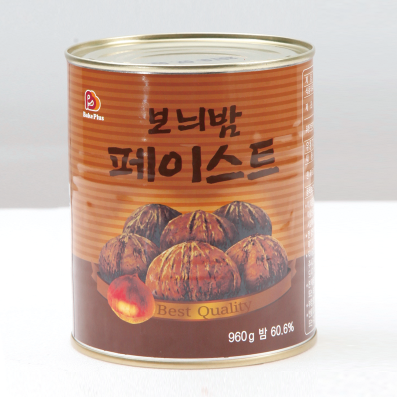
Eunha Foodwell Co., Ltd.
경상남도 김해시
Eunha Foodwell Co., Ltd., located in Gimhae-si, Gyeongsangnam-do, is an HACCP-certified company that manufactures and supplies processed foods, bakery, and confectionery ingredients. We offer a variety of seasonings and cooked food products.
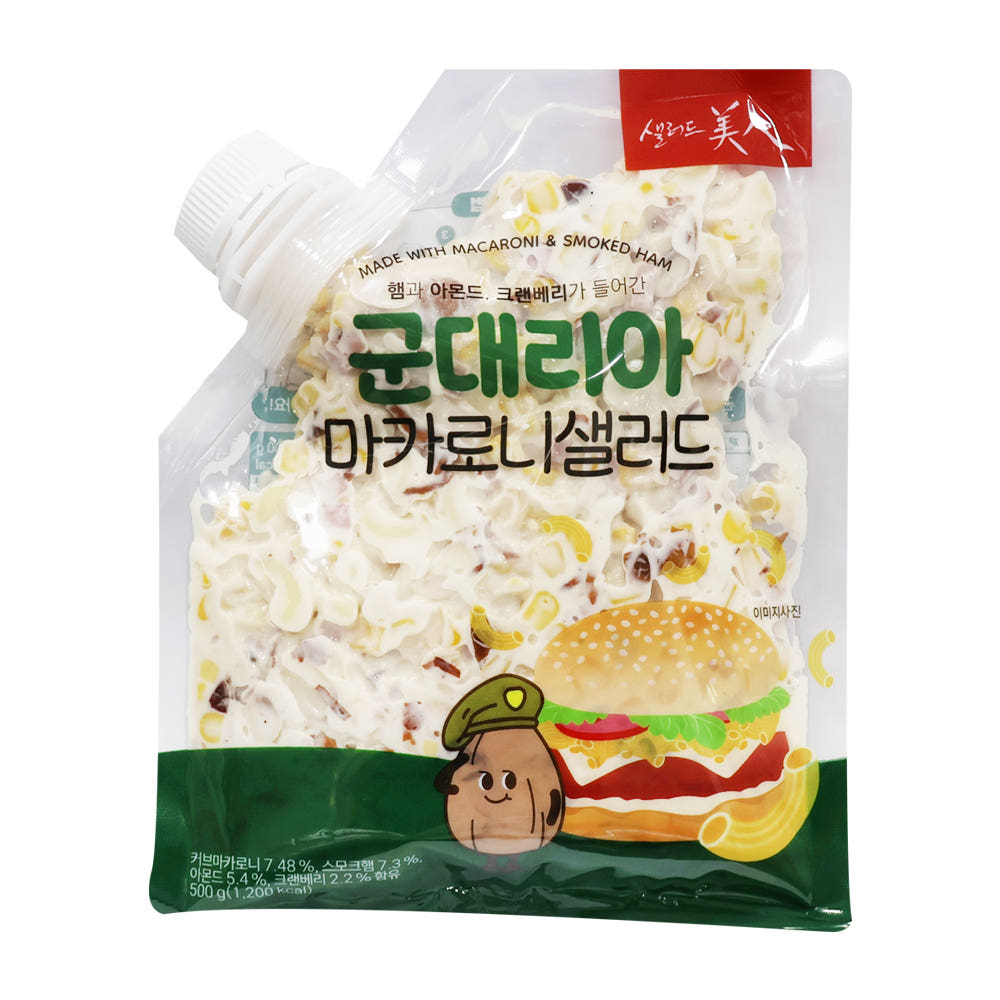
MDS Co., Ltd.
경기도 파주시 파주읍 가마울길 212-17 (엠디에스코리아)
(주)엠디에스코리아는 식품 및 음료 제조 전문 기업으로, HACCP 인증 기반의 안전한 먹거리를 생산합니다. (Korean food manufacturer)
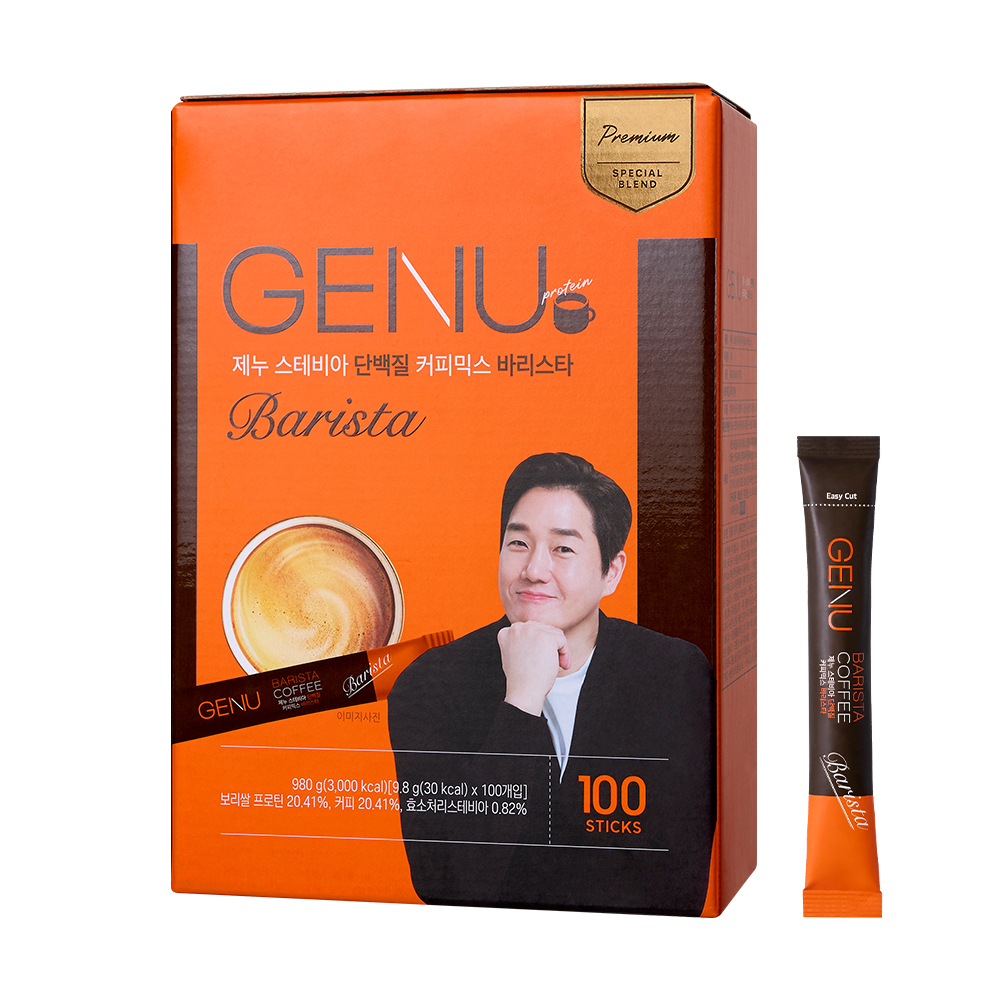
JS Food Co., Ltd.
경상북도 문경시 매봉6길 16, 1층 (모전동)
Located in Incheon, JS Food Co., Ltd. is a HACCP-certified company that manufactures and supplies various beverages, including hot chocolate and coffee.
Taejanggo Traditional Fermented Soybean Paste
Taejanggo Traditional Fermented Soybean Paste is a South Korean manufacturer and supplier specializing in traditional Korean fermented soybean pastes, including Doenjang and Cheonggukjang. The company focuses on producing authentic Jangryu (Korean fermented sauces and pastes) using domestic heirloom soybeans. Taejanggo welcomes B2B partnerships and export inquiries for its range of fermented products.
Sourcing Guide
Sauce and condiment sourcing covers a wide product range, so approach fermented pastes and formulated sauces separately. Fermented products like doenjang, soy sauce, and ssamjang vary by lot in color and salinity, which calls for an agreed reference sample, while formulated products like BBQ sauce and dressings let you specify sugar, acidity, and viscosity numerically. When vetting a supplier, confirm HACCP alongside Non-GMO status, and for US entry, USDA Organic or FDA facility registration and allergen declarations (soy, wheat, fish). Packaging strongly affects shipping cost: glass is heavy with breakage risk, so check loading and cushioning spec, while PET and pouch are lighter but need a product-stability check. This category sees active private-label production, with OEM specifying heat level, sweetness, and container being common. MOQ is usually 500-2,000 cartons, and private label takes 6-10 weeks from label approval to first shipment. Run a small first order to verify flavor and label compliance before scaling.
FAQ
What is the minimum order quantity for sauces and condiments?
Standard products usually trade from 500-2,000 cartons. Private-label products carry a higher MOQ once label print minimums are added, and fermented pastes can have a larger minimum than formulated sauces because production batches are larger.
Which certifications should a condiment supplier hold?
HACCP is the baseline; for a Non-GMO claim, ingredient evidence, and for US entry, USDA Organic or FDA facility registration. Whether allergen declarations (soy, wheat, fish) meet destination rules should also be reviewed before ordering.
Is private-label or OEM production available?
This category sees active private-label production, with OEM specifying heat level, sweetness, viscosity, and container being common. BBQ sauces and dressings are easy to manage by numeric spec, and label approval to first shipment usually takes 6-10 weeks.